
CBD Products: Complete Guide to Different Forms
In short
- CBD comes in many forms: ingestibles, topicals, or inhalables.
- Oils and flowers remain the most popular formats on the market.
- Quality depends on the extraction method and the availability of Certificates of Analysis (COA).
- In France, legislation permits sales as long as the THC level remains below 0.3%.
To understand CBD products, we must first look at the molecule they are made of: cannabidiol. Discovered in 1940, this natural organic terpene compound belongs to the cannabinoid family, found in the Cannabis sativa and Cannabis indica plants. CBD represents up to 5% of certain hemp varieties, making it one of the major cannabinoids after THC.
Unlike THC, it does not produce psychoactive effects but interacts with the human endocannabinoid system, paving the way for a wide range of applications—from CBD Oil and CBD flowers to cosmetics and capsules. In France, where the market for CBD derivatives is seeing steady growth, legislation strictly regulates their manufacture and sale, specifically through a maximum authorized THC level of 0.3%. This limit clearly distinguishes legal CBD products from prohibited substances, such as THC-rich varieties.
CBD oils and CBD flowers dominate the French market, followed by e-liquids and cannabidiol-based cosmetics. Their popularity is due to their versatility: oils, often used in infusions or capsules, allow for sublingual or digestive absorption, while flowers, intended for smoking or vaping, target fast-acting effects. Creams and balms, meanwhile, provide topical application for localized effects, such as soothing pain.
However, the quality of these CBD products depends closely on the extraction method used—solvent, supercritical CO₂, or others—and the transparency of analysis certificates, which guarantee the absence of contaminants and precise dosage. In 2023, the French CBD sector, estimated at over 100 million euros, reflects this diversity, with a growing demand for safe and effective derivatives.
CBD Decoded: Essential Guide to Derivatives
To understand CBD products, we must first look at the molecule they are made of: cannabidiol. Discovered in 1940, this natural organic terpene compound belongs to the cannabinoid family, found in the Cannabis sativa and Cannabis indica plants. CBD represents up to 5% of certain hemp varieties, making it one of the major cannabinoids after THC.
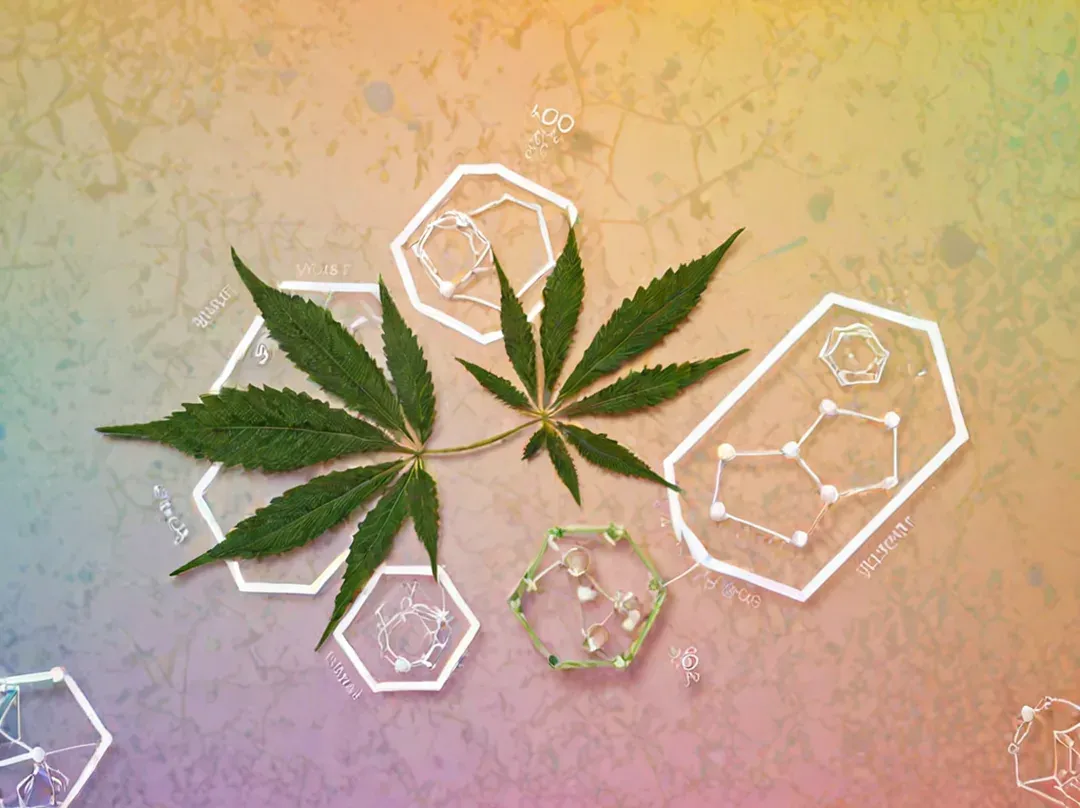
Unlike THC, it does not produce psychoactive effects but interacts with the human endocannabinoid system, paving the way for a wide range of applications—from CBD oil and CBD flowers to cosmetics or capsules. In France, where the market for CBD derivatives is seeing steady growth, legislation strictly regulates their manufacture and sale, specifically through a maximum authorized THC level of 0.3%. This limit clearly distinguishes legal CBD products from prohibited substances, such as THC-rich varieties.
The fundamental difference between CBD and THC lies in their interaction with the nervous system. THC, known for its psychoactive effects, works by binding directly to the CB1 receptors in the brain, causing a change in consciousness—sought after for euphoria or relaxation, but also a source of side effects like memory impairment or anxiety.
Conversely, CBD indirectly modulates these receptors without strongly activating them, which explains its lack of euphoric effects and its much more favorable safety profile. This biological distinction justifies the rise of CBD products in France, where legislation allows their sale as long as the THC level remains below 0.3%, compared to 0.2% in the majority of European countries.
CBD Products: Three categories based on administration route
| Category | Examples | Regulation |
|---|---|---|
| Ingestibles | Oils, capsules, gummies | Novel Food (EU 2015/2283) |
| Topicals | Creams, balms, serums | Cosmetic Product (EC 1223/2009) |
| Inhalables | Flowers, e-liquids, pre-rolls | Public Health Code |
CBD products are divided into three main families based on their route of administration, each subject to a distinct regulatory framework. On one hand, CBD oils, capsules, gummies, or ingested drinks fall under Regulation (EU) 2015/2283 on novel foods, requiring prior market authorization after a safety assessment. Cannabidiol is classified here as a novel food not yet fully authorized, which limits the possible health claims.
On the other hand, products applied to the skin—creams, balms, or massage oils—fall under Regulation (EC) No 1223/2009 on cosmetics, where the finished product is regulated, provided it complies with a complete safety file and transparent labeling. Finally, CBD flowers, pre-rolls, or e-liquids intended for smoking or vaping move from food law into tobacco law, with reinforced obligations: health warnings, advertising bans, and prohibitions on sales to minors.
CBD Products in France
In France, the CBD product market is structured around three pillars: quality, the extraction method, and strict adherence to the maximum authorized THC level of 0.3%. This limit, set by national legislation, allows the sale of CBD flowers and CBD oils as long as their THC content does not exceed this threshold, unlike other European countries where the ceiling is set at 0.2%.
The distinction from illegal CBD products therefore rests on this content, but also on the origin of the plant: only hemp varieties cultivated for their low THC levels are authorized.
The most popular derivatives in France remain CBD oils, often used in infusions or capsules, followed by CBD flowers for smoking, and then cannabidiol-based cosmetics, such as creams or balms.
The latter, although subject to strict cosmetic rules, benefit from increased tolerance regarding claims, provided they are backed by clinical studies. The growing demand for these CBD products reflects a search for well-being and alternative solutions for pain or stress, within a now well-defined legal framework.
Main CBD Product Formats and Their Uses
Cannabidiol products are now available in a multitude of formats, each meeting specific needs in terms of dosage, absorption methods, and duration of action. Whether seeking a rapid effect or prolonged action, consumers have a wide range of options, from classic forms like CBD oils to more innovative alternatives like e-liquids or cosmetics.
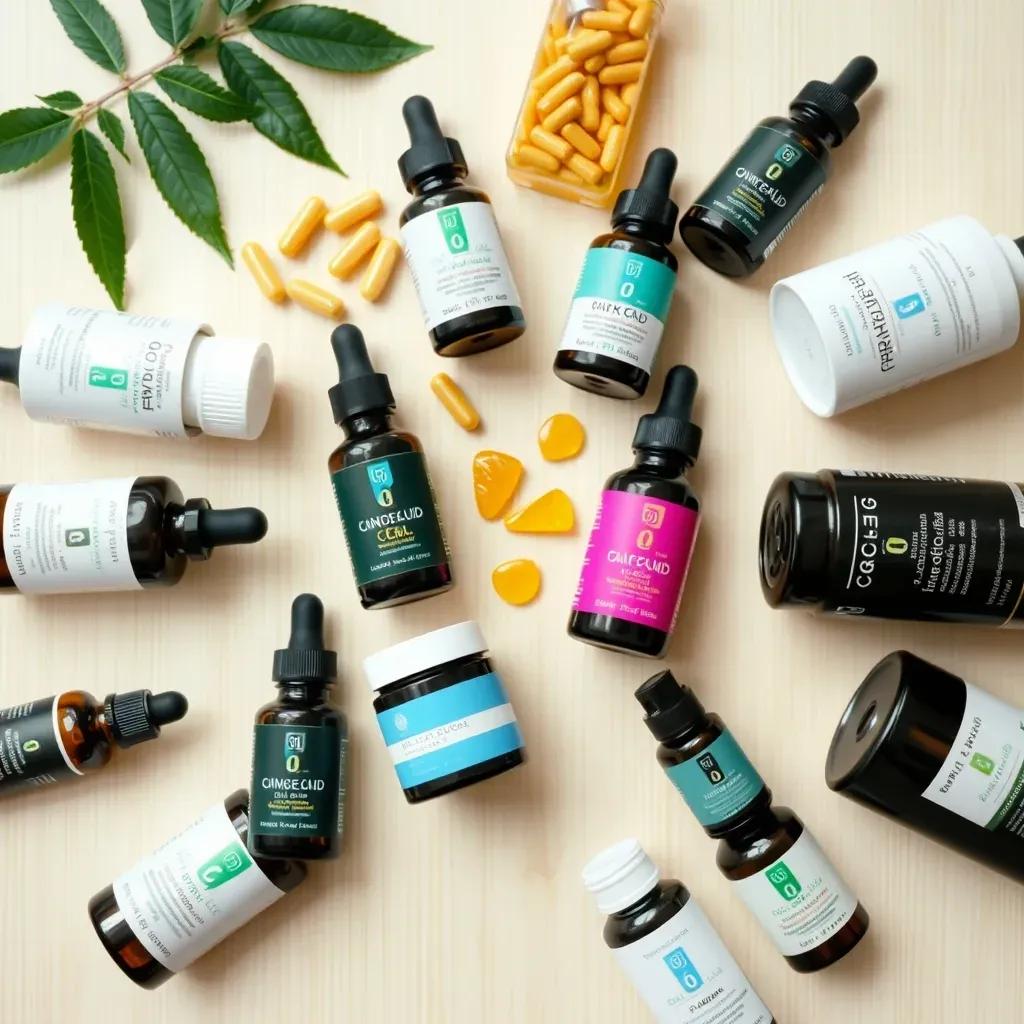
In France, this diversity reflects a growing demand for hemp derivatives, adapted for both daily use and occasional needs, such as pain management or general well-being. Recent trends show a marked preference for convenient formats, particularly those offering a precise CBD concentration and an extraction process that respects the natural compounds of the plant.
Among the most popular formats, CBD flowers and resins stand out for their high cannabinoid levels, with concentrations reaching up to 25% CBD in the case of CBD hash, according to Mamakana data. These products, often used via vaporization or smoking, offer high bioavailability (up to 40% for flowers) and rapid effects, ideal for immediate action.
Conversely, CBD oils are the best-selling format in France, with various absorption methods: sublingual, oral, or integrated into infusions. Their base can vary between three distinct profiles—Full Spectrum (retaining all cannabinoids and terpenes, with a THC level below 0.3%), Broad Spectrum (THC-free), or isolate (99% pure CBD), according to Natures Garden CBD analyses. These differences directly influence the duration of effects, ranging from 1 to 8 hours depending on the chosen format.
Capsules, Infusions, and CBD Edibles
CBD capsules represent a practical alternative for those who prioritize quality and dosage precision while avoiding the sometimes strong tastes of other formats. Their main advantage lies in their gradual release, allowing for prolonged action over several hours, ideal for long-term stress management or chronic pain.
According to Dcbdx data, these dietary supplements offer a stable dosage, making them particularly suitable for patients requiring regular treatment. Their ease of use—ingestion without a pronounced taste—also makes them a preferred choice for novices or those sensitive to the natural flavors of cannabidiol. Furthermore, their convenient format (airtight bottles) makes them easy to transport and store, meeting consumer expectations for discreet and effective derivatives.
- Precise dosage for daily control
- Easy to transport and store
- No pronounced taste for capsules
- Long-acting and gradual effect for well-being
CBD edibles, such as infusions, chocolates, or gummies, have seen remarkable growth in recent years, attracting a wider audience through a tasty and accessible approach. These alternatives, often enriched with CBD as an isolate or broad spectrum, allow for a more casual consumption experience, especially for those seeking a sensory experience while benefiting from the effects of cannabidiol.
Although their bioavailability is generally lower than that of oils or flowers, their popularity stems from their ability to integrate CBD into daily rituals, such as a coffee break or a moment of relaxation. This trend reflects a growing desire to combine pleasure and well-being while diversifying the absorption methods available on the market.
Quality Criteria for a Reliable CBD Product
The quality of a CBD product relies primarily on its transparency, a strict legal and health criterion in France. According to the European cosmetic regulation (Article 19 of Regulation 1223/2009), any hemp derivative must display a batch number allowing its exact dosage to be traced. For e-liquids or CBD oils, this requirement is reinforced: a certificate of analysis without a batch reference does not guarantee the compliance of the purchased bottle.

For example, a declared delta-9-THC content of 0.29% without a margin of error (allowed tolerance: ±0.03%) does not specify whether the product barely meets or exceeds the legal threshold of 0.3%. Extraction methods—often using solvents—must also be detailed, as they influence the purity of the final cannabidiol.
Independent laboratories, such as those cited in the decree of December 30, 2021, require precise analyses to avoid risks of residual combustion or contamination. Without this data, even the most expensive CBD flowers or capsules may hide significant discrepancies between the label and reality.
The French CBD market, valued at 850 million euros in 2024 (up from 600 million in 2023), illustrates rapid growth driven by demand for derivatives such as CBD oils or cannabidiol-based cosmetics.
However, this expansion faces major economic challenges: the 2026 finance bill proposes an excise tax that could reach 51%, in addition to VAT, which could cause prices to jump by 45% to 193% depending on extraction methods and compliance costs.
Meanwhile, e-commerce dominates with 61.9% of sales, reflecting a preference for online platforms where quality and certifications are often more accessible than in specialty shops. This dynamic raises questions about the THC content of products, especially since legal thresholds vary depending on whether it is a raw plant or a processed extract.
Consumers should therefore cross-reference several criteria: the traceability of CBD flowers, the precision of dosages, and the absence of combustion residues or additives in derivatives like skin creams or infusions.
CBD Products in Pharmacies vs. Specialty Shops
In France, the choice between CBD products in a pharmacy or a specialty shop depends primarily on the sought-after quality and the guarantees offered. The best addresses, such as those certified by independent laboratories, prioritize CBD oils or capsules accompanied by certificates detailing the batch number, THC content, and extraction methods.
To find the best CBD products in France, online platforms like CBD.fr highlight their expertise and compliance with standards, with physical stores in major cities for direct verification.
Conversely, pharmacies often offer standardized references, but their selection remains limited compared to the online offering, where access to high-end CBD flowers or e-liquids is broader. The deciding factor remains transparency: a product sold without a recent laboratory analysis or without mention of the exact dosage should be avoided, regardless of the point of sale.
Administration modes directly influence the perceived effectiveness of CBD products, depending on whether one prefers infusion, smoking, or sublingual absorption. CBD oils and capsules, often recommended for their precise dosage, act more slowly but offer prolonged action, ideal for chronic pain or stress.
Conversely, CBD flowers or e-liquids allow for rapid action via inhalation, but their THC content must be rigorously controlled to avoid any psychoactive effect. Buying CBD products at a pharmacy may be reassuring due to the presence of a professional, but specialty shops or certified sites generally offer a wider choice and advice tailored to extraction methods or specific needs, such as skin care.
The challenge remains to balance accessibility and quality, especially since hemp derivatives—whether cosmetics or foods—are subject to different regulations, sometimes less strict than those for medical-grade CBD products.
| Format | Bioavailability | Onset Time |
|---|---|---|
| Sublingual Oil | 13 to 19% | 15 to 45 min |
| Flowers (Vaping) | 30 to 40% | 2 to 5 min |
| Capsules | 6 to 15% | 45 to 90 min |
FAQ
What is CBD? Cannabidiol is a natural organic compound derived from the hemp plant, part of the cannabinoid family.
What is the difference between CBD and cannabis? Cannabis refers to the entire plant, while CBD is a specific molecule extracted from hemp that does not have euphoric effects.
When should I use CBD? It is often used to promote relaxation, relieve pain, or improve sleep quality.
Will CBD be banned in France in 2026? The 2026 finance bill proposes the introduction of an excise tax, but it does not propose banning the substance itself.
What are the benefits of taking CBD? The benefit lies in its potential properties for managing stress, anxiety, and certain types of pain.
CBD Legislation: Which products are authorized for sale in France after the Council of State’s decision? Flowers and leaves are authorized as long as the THC level is below 0.3%.
Which CBD products are prohibited? Products containing a THC level that exceeds the current legal thresholds are considered prohibited.
Sources
- Wikipedia - Cannabidiol – fr.wikipedia.org
- Franceinfo - Legal status of CBD
- Hemp Selection - Market and taxation
- WebMD - CBD Benefits and Safety
- The Green CBD - Regulations and uses
- Natures Garden CBD - Guide to formats