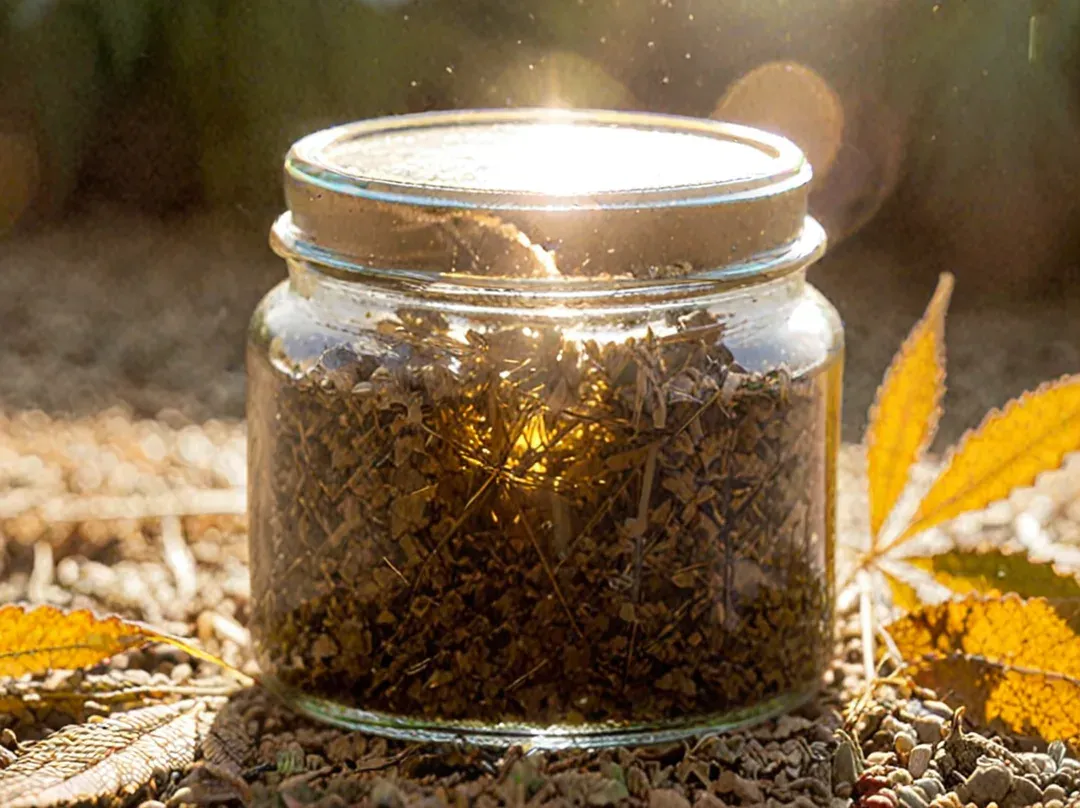
CBD Hash: Everything You Need to Know About Hemp Resin
In short
- CBD hash is a concentration of hemp trichomes rich in cannabinoids.
- THC levels must strictly be below 0.3% to be legal.
- CBD levels vary from 40% for traditional hash to over 80% for filtered resins.
- Ideal storage is between 15°C and 20°C (59°F–68°F) in an airtight container.
- The Certificate of Analysis (COA) is the only guarantee of purity and legality.
CBD hash is a concentration of hemp trichomes, obtained through mechanical or chemical extraction, which captures the plant’s natural cannabinoids. Unlike oils or flowers, it comes in the form of a viscous resin or powder, offering a high CBD content (from 40% to over 80% depending on the type) while minimizing other compounds. Its main advantage lies in its relative purity and ease of use, whether for infusion, vaporization, or culinary applications.
To be legal, this product must adhere to a strict threshold of THC below 0.3% (or even 0.2% depending on the brand) to avoid any confusion with psychoactive products. Optimal storage between 15°C and 20°C (59°F–68°F) in an airtight, light-protected container preserves its properties for several months. Finally, a Certificate of Analysis (COA) is essential to guarantee authenticity, the absence of contaminants, and compliance with legal limits.
This concentrate, often confused with traditional cannabis hash, is distinguished by its balanced Cannabinoid profile and lack of psychoactive effects. CBD levels vary based on extraction methods: classic hash typically shows 40% to 60% CBD, while 3X filtered versions or CBD pollen can reach 70% to 80%, or even more for ultra-purified extracts.
Its use is versatile, ranging from culinary recipes to cosmetic preparations and dedicated vaporizers. However, purchasing it should always be accompanied by a systematic verification of the COA, the only guarantee of transparency regarding the exact composition and legal compliance of the product.
What is CBD Hash?
CBD hash is a derivative of hemp trichomes—the tiny crystalline glands covering the plant’s flowers and leaves. These trichomes, rich in cannabinoids (CBD, CBG, CBN, etc.), terpenes, and flavonoids, are collected using mechanical or solvent methods to form a thick resin or fine powder.
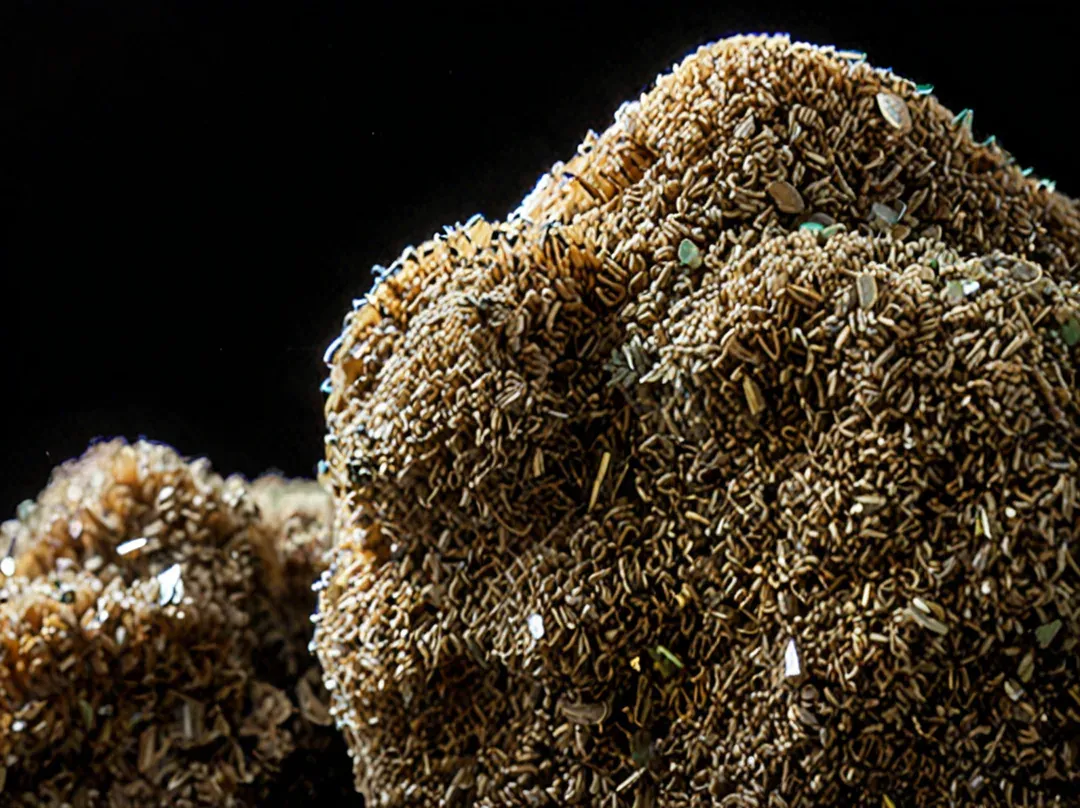
Unlike liquid extracts like CBD oils, hash is characterized by its sticky texture and gummy appearance, often ranging from pale yellow to dark brown depending on the filtration level. It also stands out due to its high cannabinoid concentration, with a strictly controlled CBD/THC ratio to ensure legal use. A search for “CBD hash” often reveals products with varied profiles, but they all share this botanical origin and targeted extraction method for active compounds.
The legality of CBD hash relies on one absolute criterion: its THC level must be below 0.3%, the maximum authorized threshold for hemp-based products. Some brands, out of caution or to comply with stricter regulations, offer versions with THC below 0.2%, eliminating any risk of exceeding the limit.
This constraint explains why CBD hashes are systematically lab-tested before being brought to market, with a mandatory Certificate of Analysis (COA) to attest to their compliance. Without it, the product could be seized or banned, even if its CBD content is high. This legal requirement clearly distinguishes CBD hash from cannabis resins, where THC far exceeds this threshold.
How is hash made? Different extraction methods
For traditional CBD hash production—an ancestral craft—dry sift is used, a manual method based on the dry sieving of hemp trichomes.
This technique, passed down through generations, involves passing dried buds through three levels of increasingly fine mesh: a first sieve of 150–220 microns to separate coarse material, a second of 73–120 microns to remove plant residue, and finally a third of 45–73 microns to isolate the cannabinoid-rich trichome heads.
The result is a raw resin, often called 3X filtered hash, where purity depends on the precision of the sieving and the initial quality of the raw material.
Modern methods, such as ice-o-lator or bubble hash, allow for more potent CBD concentrates while reducing impurities. Unlike dry sift, these techniques use solvents like isopropanol or freeze/thaw cycles to selectively extract trichomes, optimizing cannabinoid levels.
Thus, hash produced through these processes generally shows CBD concentrations between 50% and 70%, compared to 40% to 60% for traditional hash. These differences are due to the increased efficiency of industrial methods, which preserve more active compounds while limiting losses during extraction.
CBD Hash, Pollen, and 3X Filtered: Which type of CBD resin should you choose?
The choice between CBD hash, pollen, and 3X filtered resin depends primarily on the desired cannabinoid concentration and intended use. Each type of resin offers distinct properties, suited to various user profiles, whether for occasional consumption or a more targeted experience.
| Type | CBD Content | Approx. Price |
|---|---|---|
| Pollen | 30-45% | $2.15/g |
| Traditional Hash | 40-60% | $4.20/g |
| 3X Filtered Resin | 50-80% | $5.30/g |
CBD Pollen
CBD pollen comes in the form of a fine, lightweight powder, obtained by brushing hemp trichomes. Its CBD content usually ranges between 30% and 45%, making it an accessible option for beginners or those seeking a gentle introduction to concentrates. Easy to dose and integrate into recipes, it is particularly suitable for enthusiasts looking to avoid overly thick or sticky textures.
Traditional Hash
Traditional hash, or classic CBD hash, is distinguished by its denser texture and the balance between pronounced flavor and moderate to high concentration, often between 40% and 65% CBD. This resin, obtained through mechanical sieving or cold extraction, retains the original aromas of hemp, making it a popular choice for direct consumption or infusion. Its versatile profile makes it an ideal compromise between potency and accessibility.
3X Filtered Resin
3X filtered resin is for experienced users seeking maximum purity and concentration. By choosing a premium CBD resin like 3X filtered, users can reach CBD levels exceeding 60%, with specific formulations like the 3X Filtered 80% or 3X Filtered MS, designed for optimized cannabinoid profiles. These resins, often smoother and more aromatic, are ideal for precise consumption or recipes requiring exact dosage.
How to use and store your CBD resin?
The use and storage of CBD hash determine its quality and effectiveness. Improper handling or poor storage accelerates the degradation of cannabinoids and terpenes, thereby reducing the expected benefits.
Methods of consumption
Vaporization remains the most recommended method for consuming CBD hash, as it best preserves terpenes and cannabinoids. For an optimal experience, the vaporization temperature should be adjusted between 175°C and 195°C (347°F–383°F), depending on the resin’s density. More filtered versions, like 3X, can tolerate slightly higher temperatures, up to 185°C–210°C (365°F–410°F), without altering their aromatic profile.
- Vaporization between 175°C and 195°C
- Consuming in small pieces
- Mixing with flower
Storage rules
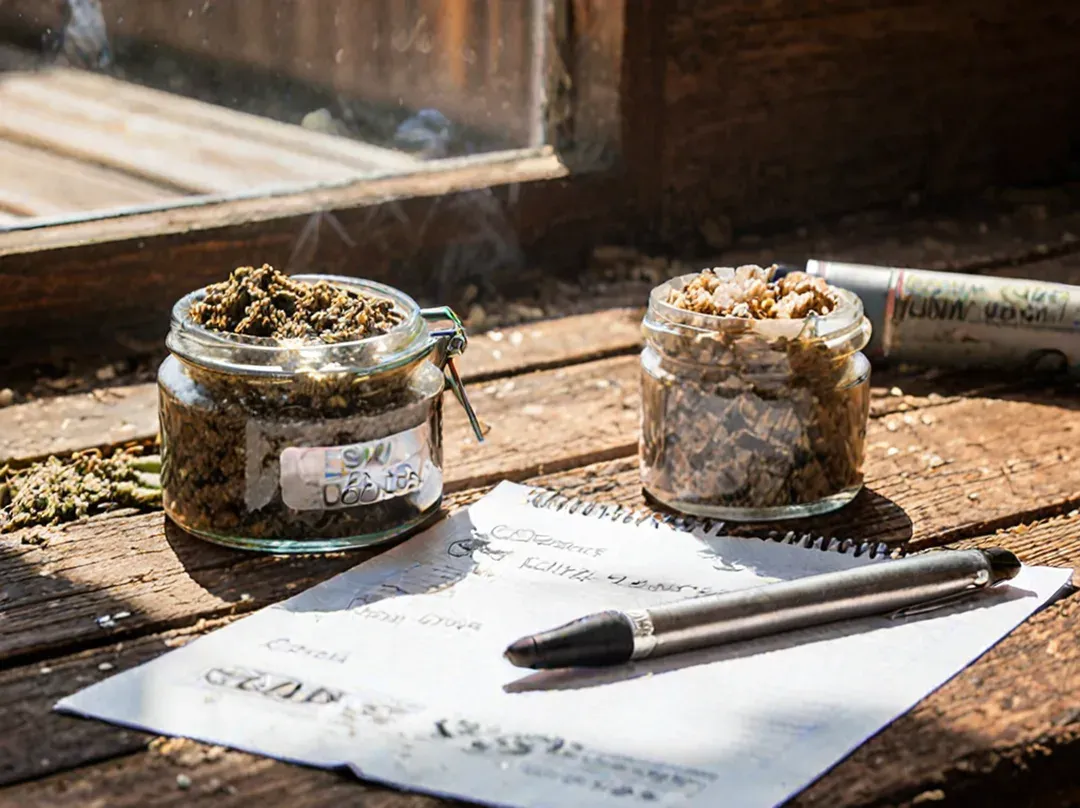
CBD hash should ideally be stored in an airtight container, protected from light and moisture, to prevent oxidation. Optimal storage conditions are between 15°C and 20°C (59°F–68°F), a range that limits the degradation of active compounds. Prolonged exposure to extreme temperatures or direct light accelerates potency loss and alters the taste.
- Airtight container
- Temperature between 15°C and 20°C (59°F–68°F)
- Away from direct light
How to recognize premium quality CBD hash?
The quality of CBD hash is judged first by the accuracy of the analyses and its price per gram—two complementary indicators to avoid low-end or overpriced products. Premium resin is distinguished by strict certifications and total transparency regarding its composition, while an overly attractive price may hide underestimated CBD levels or undesirable additives.
Reliability of analyses
The Certificate of Analysis (COA) is the first document to check to ensure the quality of CBD hash. It must come from an independent laboratory and be less than 12 months old, as cannabinoid levels evolve over time. A difference of more than 5% between the stated rate and the measured rate should be a red flag: it could indicate falsification or product degradation.
Furthermore, the COA must confirm the absence of THC above the legal threshold (0.3%) and the absence of contaminants such as pesticides, heavy metals, or residual solvents. To go further, some producers apply a three-step protocol: selecting certified European suppliers, analysis by an accredited third-party lab, and making the COA available on every product page, with batch-centralized analyses for optimal traceability.
- Certificate less than 12 months old
- Rate discrepancy under 5%
- Absence of pesticides and heavy metals
Prices and available formats
The CBD hash market offers formats to suit all budgets, from small bags to wholesale. Resins come in packaging from 1g to 10g, ideal for occasional use, or in bulk packs of 100g to 200g, intended for regular users or resellers.
For those looking to find powerful CBD resin at a low price, they should compare the price per milligram of CBD: for example, a hash with 55% CBD sold at $10/g offers 550 mg of CBD for 1.8 cents per milligram, an interesting value if the analysis confirms it.
Conversely, a bulk resin pack (100g to 200g) can start at $149, but its unit cost often remains more advantageous than small formats, especially if the CBD level exceeds 60%. The balance between concentration, weight, and price is therefore essential to avoid scams.
- Small formats (1g to 10g)
- Bulk packs (100g to 200g)
- 1kg CBD Hash for professionals
FAQ
What are the effects of CBD hash? CBD hash provides a relaxing effect and helps with stress management without psychoactive effects.
Which is the strongest CBD hash? 3X filtered resins or CBD wax offer the highest concentrations, reaching 80% CBD.
What is the difference between CBD hash, CBD pollen, and 3X filtered? Pollen is a light powder, hash is a denser resin, and 3X filtered is an extreme concentrate.
How to use CBD resin? It can be vaporized, infused into food, or consumed with flower.
Is CBD resin legal? Yes, as long as the THC level remains below the legal threshold of 0.3%.
What is a CBD moonrock? It is a CBD flower coated in resin concentrate for maximum potency.
Can CBD resin cause a positive saliva test? There is a risk if the product contains traces of THC exceeding detection thresholds.
Sources
- Barong CBD - Concentrates Comparison
- CBD’eau - Resin Guide and Prices
- Carrement Chanvre - Hash Production
- Easy Herbs - Regulations and THC levels