
CBD Benefits and Uses: A Complete Guide
In short
- CBD is used to soothe anxiety, improve sleep, and reduce pain.
- It acts on the endocannabinoid system without the psychoactive effects of THC.
- In France, CBD is legal as long as the THC content is below 0.2%.
- It is available in several forms: oils, flowers, capsules, or cosmetics.
CBD, or cannabidiol, is an active molecule extracted from hemp (Cannabis sativa) that is gaining increasing interest due to its therapeutic properties. Used to soothe anxiety, improve sleep, or alleviate pain, it differs from THC due to its non-psychoactive nature.
In France, its use is regulated by law: CBD-based products are legal as long as their THC content does not exceed 0.2%, in accordance with European regulations. Available in various forms—oils, flowers, capsules, or even cosmetics—CBD can easily be integrated into a wellness routine, making it accessible to both enthusiasts and occasional consumers.
Its mechanism of action relies on a subtle interaction with the endocannabinoid system, a network of receptors present throughout the body involved in regulating key functions such as mood, appetite, and pain perception.
Contrary to popular belief, CBD does not alter your state of consciousness; instead, it works by modulating the activity of these receptors to promote internal balance. This characteristic makes it a natural alternative for those seeking to relieve symptoms without the side effects of conventional medications, while benefiting from a safety profile well-documented in scientific literature.
What is CBD and how does it work?
CBD is an active molecule derived from hemp, classified among cannabinoids—a family of compounds with diverse biological properties. According to studies published in Cannabidiol: pharmacology and therapeutic targets (2021), it primarily acts by interacting with CB1 and CB2 receptors, although its mechanism differs from that of THC.
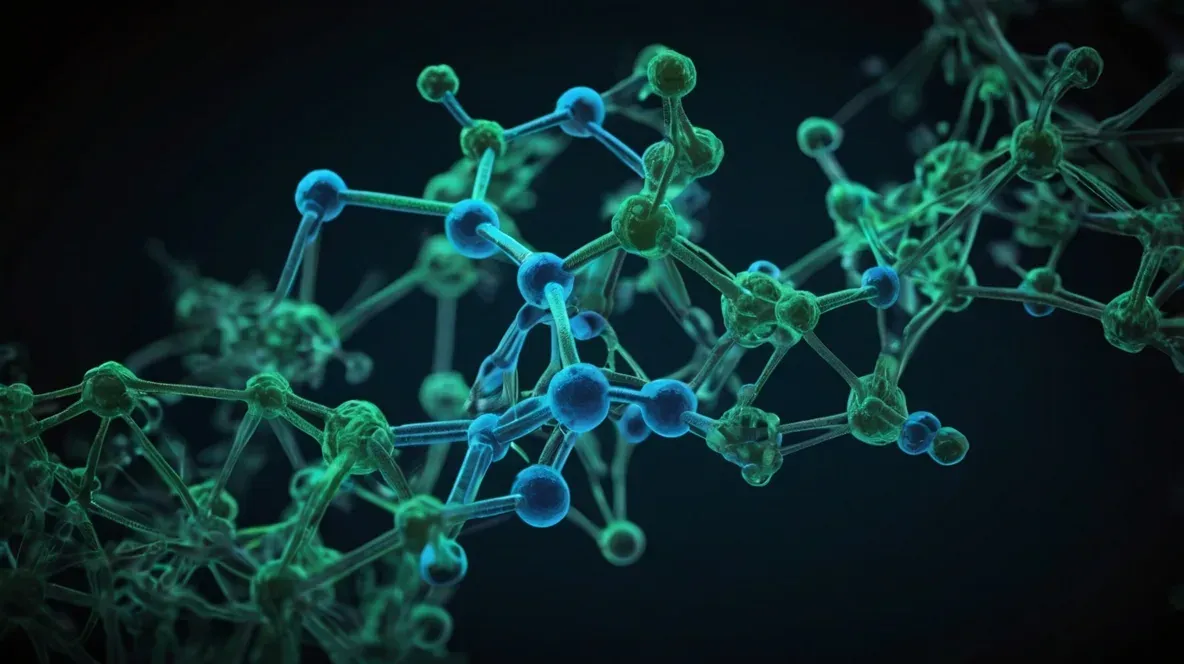
Unlike THC, CBD does not bind directly to these receptors but modulates their activity indirectly, which explains the absence of psychoactive effects. These properties make it a major subject of study to understand its therapeutic potential, particularly in fields such as neuroprotection and inflammation.
Its absorption and metabolism were detailed in Pharmacokinetics and pharmacodynamics of cannabinoids (2002), highlighting that bioavailability varies depending on the method of administration. For example, oral ingestion (oils, capsules) shows less efficient absorption than vaporization due to first-pass metabolism. This data confirms that CBD can be detected in the blood for up to 7 days after regular consumption, although subjective effects vary by individual. These pharmacological characteristics explain why dosage and method of use are essential criteria for optimizing its benefits.
The benefits of CBD for health and well-being
The benefits of CBD are manifested through its versatile action on physiological balance, validated by studies and user experiences. Analgesic, antioxidant, and anti-inflammatory, it also acts as an anticonvulsant, reducing seizures, and helps limit nausea, particularly in patients undergoing chemotherapy.
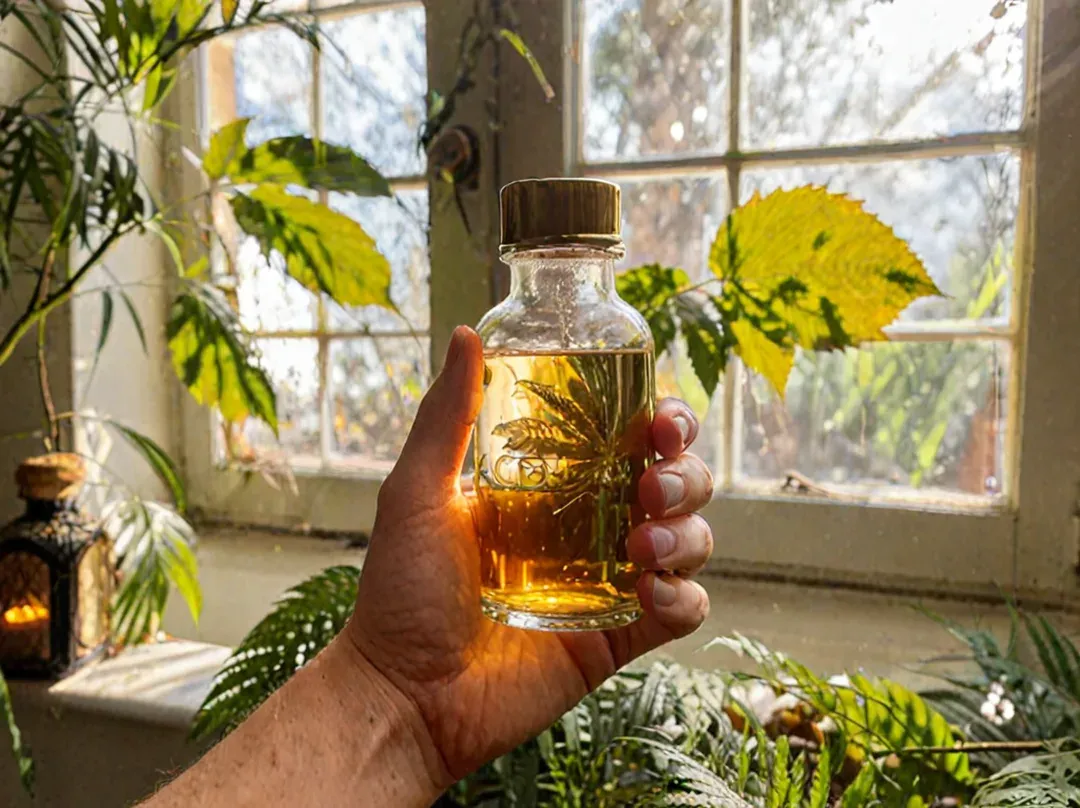
Its properties also include a regulatory effect on appetite (notably for alcohol use) and support in managing chronic inflammatory diseases such as ulcerative colitis or Crohn’s disease. By acting on the nervous system, CBD promotes serotonin production, thereby improving concentration and emotional stability while protecting neuronal tissues from inflammation.
Anxiety and stress relief
A large majority of users turn to CBD to relieve anxiety and depression, two common disorders where this molecule shows notable efficacy. According to a 2020 study, more than 63% of respondents used CBD specifically to mitigate symptoms related to these conditions, as well as to support those with autism spectrum disorders.
Its mechanism of action relies on the modulation of serotonin receptors—a key hormone in mood regulation—making it an ally for calming stress or anxiety without the side effects of conventional drugs. While promising, these results highlight the importance of guided use, especially for vulnerable populations.
Improved sleep and pain management
CBD has also established itself as an effective support for sleep disorders and chronic pain management, two areas where its soothing and anti-inflammatory properties are highly sought after. In a recent survey, more than 26% of users employed it to reduce orthopedic pain, while nearly 15% used it to improve sleep quality by limiting nighttime awakenings and promoting deeper sleep.
Its relaxing effects act on muscles and joints, alleviating symptoms related to rheumatism, menstrual pain, or injury recovery. Furthermore, its anti-inflammatory potential, demonstrated by its action on cytokine production, makes it an interesting supplement for individuals suffering from neuropathic pain or degenerative diseases like fibromyalgia.
CBD usage in France and its various forms
Regarding the benefits and usage of CBD in France, the legal framework strictly regulates its consumption. Since 2022, cannabidiol-based products have been authorized provided their THC content does not exceed 0.2%, in compliance with European regulations.
This limit guarantees non-psychoactive use while allowing access to its therapeutic properties. In parallel, approximately 6% of French people have reportedly experimented with CBD in various forms, whether through oils, e-cigarette liquids, or dried flowers intended for tea or smoking.
This growing popularity is explained by a better understanding of CBD’s benefits, particularly in the fields of wellness and stress management. It is worth noting that medically prescribed cannabinoids, in the form of oils or tinctures, present higher concentrations, ranging from 5% to 20% CBD with a maximum threshold of 1% THC, reflecting their regulated medical use.
Methods of consumption
CBD comes in a multitude of forms, each adapted to specific needs. Among the most common are dried flowers, derived from hemp plants grown using organic farming practices in France and Europe, ensuring optimal quality and the absence of contaminants. CBD oils, obtained through extraction, are distinguished by their variable concentrations, ranging from 10% to 30%, allowing for dosage adjustments based on use.
For example, a 10 ml bottle at 10% contains 1000 mg of cannabidiol, offering precision in dosing. Finally, derivative products expand the possibilities of use: infusions, cosmetics (creams, pain-relief balms), gummies, infused honey, or even e-liquids for inhalation. These different forms allow CBD to be integrated into daily life, whether for medicinal, wellness, or ceremonial use.
- CBD oils (sublingual or capsules)
- Dried hemp flowers
- Derivative products (gummies, infusions, cosmetics)
- Inhalation via e-liquids
What are the benefits of CBD oil?
One might wonder: what are the benefits of CBD Oil? This form of cannabis extract, rich in cannabidiol, is particularly prized for its soothing effects on the nervous system, helping to reduce tension and promote a state of relaxation without affecting alertness.
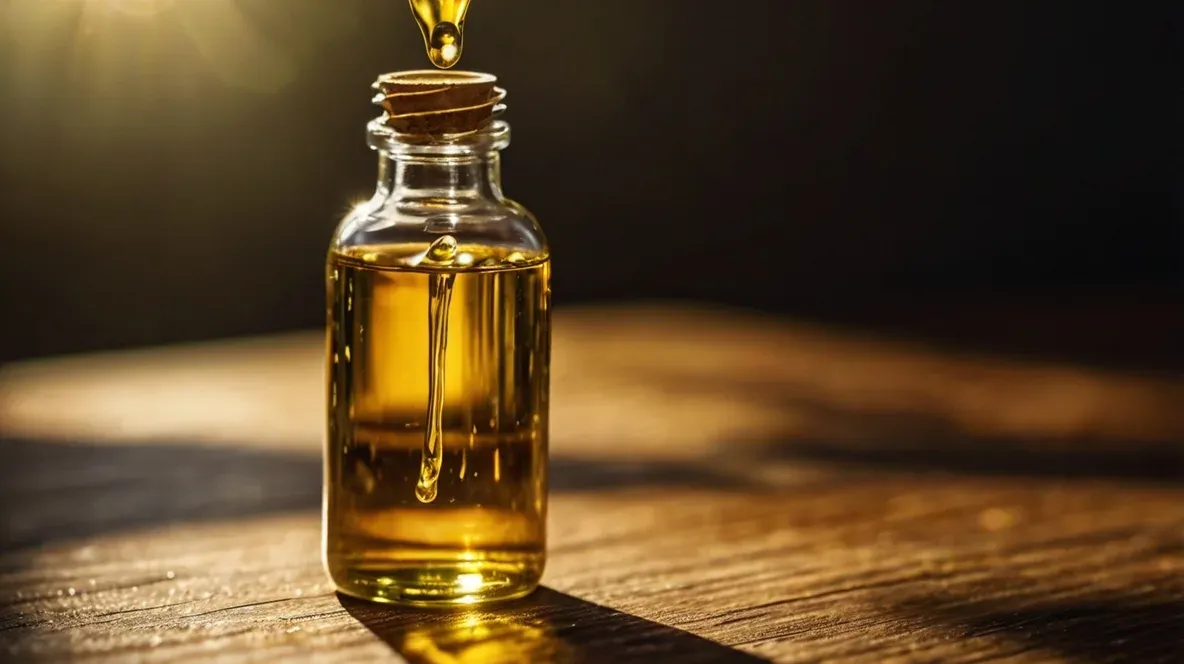
Its antioxidant properties also make it an ally in supporting cellular protection while acting on inflammatory mechanisms. Its rapid absorption via the sublingual route makes it a practical choice for targeted and lasting action, adapted to daily wellness needs.
Dosage and precautions for safe use
To avoid any adverse effects, it is advised to start with a moderate dose of 5 to 10 mg of CBD, especially if you are a novice. This progressive approach allows you to assess your individual tolerance and adjust intake according to your needs.
The sublingual route, often preferred for its speed, allows effects to be felt between 3 and 20 minutes, while oral ingestion is slower, requiring approximately 30 minutes before benefits manifest, with a prolonged duration lasting several hours. These timing differences are explained by the speed of absorption depending on the administration method, highlighting the importance of matching the method to your expectations and lifestyle.
| Goal | Recommended daily dosage |
|---|---|
| Anxiety | 25 to 800 mg |
| Sleep disorders | 25 to 160 mg |
| Chronic pain | 50 to over 100 mg |
FAQ
What are the different forms of CBD? CBD can be consumed via oils, dried flowers, capsules, gummies, or cosmetic products.
Is CBD truly safe for health? CBD is not addictive, but it can cause drowsiness or digestive issues in some individuals.
Will I test positive for drug use with CBD? CBD is not a psychoactive substance and does not produce the “high” associated with THC.
What is the best way to consume CBD? The sublingual route (under the tongue) is fast, while capsules offer more stable control.
What medications should not be taken with CBD? It is advised to consult a doctor, as CBD can interact with certain medications.
Sources
- Inserm - Study on CBD usage – presse.inserm.fr
- MSD Manuals - Cannabidiol properties
- Aroma-Zone - CBD legality and usage
- Kokopelli - Dosages and posology – kokopelli-semences.fr