CBD for Anxiety: Efficacy, Dosage & Expert Advice
In short
- CBD acts on serotonin and GABA receptors to reduce anxiety.
- Optimal efficacy is often observed at doses of at least 300 mg per day, according to some studies.
- Sublingual oil is preferred for its rapid action and precise dosing.
- For self-medication, a maximum of 50 mg per day is recommended to limit side effects.
Cannabidiol (CBD), the non-psychoactive compound in cannabis, is seeing growing interest for its potential in managing anxiety, stress, and anxiety disorders. To understand how CBD works on stress and anxiety, one must look at its influence on serotonergic receptors, which play a key role in mood regulation. Studies suggest that CBD modulates these receptors, promoting a calming effect without the side effects of traditional medications.
Optimal efficacy is often observed at doses of at least 300 mg per day in clinical research, but for self-medication, a maximum of 50 mg per day is recommended to limit risks like drowsiness or interactions. Sublingual CBD oil is particularly favored for targeted and precise action due to its rapid absorption.
Unlike recreational cannabis, CBD does not cause euphoria or dependency, making it an alternative solution for those looking to ease anxiety symptoms without resorting to psychoactive substances.
Its mechanism of action is based on interaction with the endocannabinoid system, a network of receptors in the brain and body involved in sleep quality, stress management, and mood stabilization. For people suffering from anxiety disorders, CBD could offer a complementary approach, provided that appropriate dosages and usage precautions are followed.
How does CBD work on stress and anxiety?
To understand how CBD works on stress and anxiety, we must look at its influence on serotonergic receptors, which regulate mood regulation and emotional response. Cannabidiol interacts with the endocannabinoid system, a complex network of receptors (notably CB1 and CB2) that modulate functions such as pain perception, appetite, and, most importantly, psychological balance.
By indirectly stimulating these receptors, CBD promotes anxiolytic effects without impairing cognitive abilities, unlike other cannabis compounds. This selective action makes it a promising candidate for alleviating anxiety and stress symptoms, especially for those with generalized anxiety or occasional panic attacks.
CBD also promotes the release of GABA (gamma-aminobutyric acid), an inhibitory neurotransmitter that acts as a natural brake in the brain. By increasing GABA levels, cannabidiol reduces excessive neuronal activity often associated with anxiety and stress and tension states.
This chemical modulation explains why many people report feelings of calm and relaxation after consuming CBD products, such as CBD oils or infusions. However, CBD effects vary by individual, and intensity depends on factors like metabolism, body weight, and symptom severity.
CBD action also allows for the modulation of the hormonal response to stress, particularly by regulating the secretion of cortisol, often called the “stress hormone.” Research has shown that cannabidiol could reduce cortisol spikes, especially in anxiety-inducing situations, without causing marked drowsiness.
This property is particularly useful for people whose anxiety and stress disrupt sleep effects, as a stable hormonal balance promotes restorative sleep quality. Finally, CBD works in synergy with other cannabis compounds (such as CBG or CBC) in certain products, amplifying its calming CBD effects without the risks associated with THC.
- Mood regulation via serotonergic receptors
- Decreased stress response through cortisol regulation
- Improved sleep quality to reduce anxiety symptoms
CBD anxiety testimonials
Testimonials regarding the use of CBD for anxiety and stress are numerous, though scientific research is ongoing to fully validate its efficacy. A study published in Neurotherapeutics (2015) highlights that cannabidiol could reduce social anxiety symptoms in patients suffering from anxiety disorders, with doses ranging between 300 and 600 mg per day.
Among user experiences, some report a notable decrease in stress after a few weeks of regular CBD oil consumption, particularly in cases of panic attacks or excessive rumination. For instance, one person suffering from generalized anxiety disorder testified that a daily intake of 200 mg of CBD in sublingual oil form allowed them to reduce reliance on traditional anxiolytic medications while limiting side effects like dry mouth or fatigue.
However, effects vary by individual, and some testimonials warn of mixed results, especially for those whose anxiety and stress are linked to deep-seated causes like trauma or complex neurochemical imbalances. Another user, suffering from panic attacks, observed significant improvement after combining CBD with breathing techniques and optimized sleep quality, underscoring the importance of a holistic approach.
Experts remind us that CBD is not a miracle cure, but a complementary solution that can help manage symptoms if used regularly and within recommended doses. Full-spectrum CBD products (containing traces of THC and other cannabinoids) sometimes appear more effective than pure isolates, though the precise mechanisms of this synergy remain to be fully understood.
What are the opinions on CBD and anxiety?
When asking about opinions on CBD and anxiety, usage data shows that over 63% of users use it to relieve symptoms related to this condition, often as a complement to other approaches.
This trend reflects growing self-medication, where cannabidiol is perceived as an alternative solution to traditional medications, although its legal framework and efficacy vary by country. The anxiolytic effects of CBD, documented in certain studies, make it a popular product for easing stress and anxiety attacks, even if its mechanism of action remains distinct from classic anxiolytics.
Each CBD anxiety testimonial collected often reveals a decrease in mental rumination and physical relaxation, two frequent symptoms of anxiety disorders. Users also report improved sleep quality, an indirect but significant side effect for those whose anxiety disrupts rest cycles.
These feedbacks, though subjective, highlight a perceived regulation of CBD effects on mood, without inducing the drowsiness or euphoria associated with recreational cannabis. Some even highlight a reduction in reliance on anxiolytic medications, though this practice should be supervised by a professional.
The perceived efficacy of CBD for anxiety varies; some notice immediate relief from the first doses, while others require prolonged adjustment to see results. This disparity is explained by the complexity of the endocannabinoid system, whose interaction with cannabidiol depends on genetic and environmental factors, as well as the type of product used (oils, flowers, etc.). CBD effects are not limited to a placebo effect, but their intensity remains influenced by individual regulation of CB1 and CB2 receptors.
Experts qualify these opinions by reminding that CBD acts on symptoms without treating the root cause of anxiety disorders. Recent research confirms its anxiolytic potential, notably through the modulation of serotonin and cortisol, but emphasizes the need for appropriate dosage and medical follow-up, especially in cases of chronic stress and anxiety. Contrary to popular belief, CBD does not create dependency, but its use should be integrated into a holistic approach, combining lifestyle habits and, if necessary, therapeutic support.
| User Profile | Reported Benefit | Frequency of Use |
|---|---|---|
| Daily Stress | Tension reduction | Occasional |
| Chronic Anxiety | Improved sleep | Daily |
| Autism Spectrum Disorders | Sensory calming | Regular |
Which CBD for stress and anxiety?
To answer the question: which CBD for stress and anxiety?, sublingual oil stands out as the most precise and effective solution. Its dropper form allows for controlled dosage, which is essential for adjusting anxiolytic effects according to individual sensitivity. Unlike other products such as gummies or infusions, it avoids the guesswork associated with solubility or bioavailability. Experts also highlight its rapid action, an asset for stress and anxiety attacks where the effect must be felt within minutes.
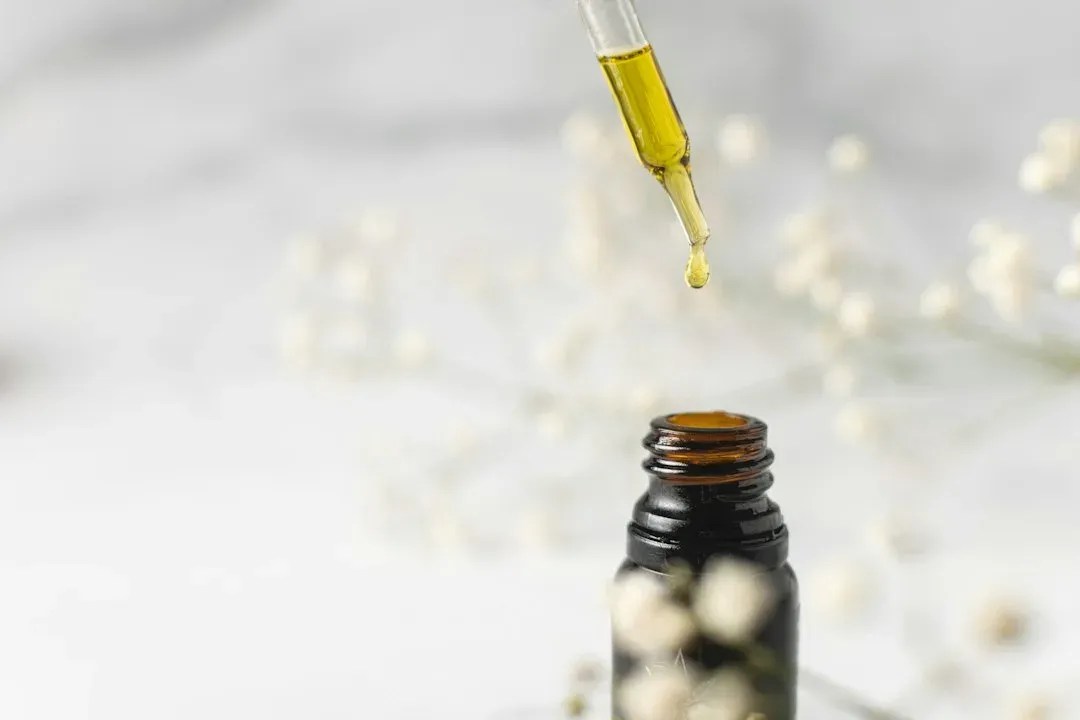
CBD Oil works quickly because taking it via the sublingual route (1 to 2 minutes under the tongue) bypasses first-pass metabolism, limiting the degradation of cannabidiol before absorption. This method optimizes absorption quality, with bioavailability estimated between 15% and 40%, according to clinical studies. For those seeking an immediate solution, this form remains the gold standard, even if its earthy taste might deter some users.
CBD tablets are a valid alternative, provided they are taken with a fatty meal to facilitate assimilation. This administration route, while slower than oil, offers more sustained regulation of symptoms, ideal for daily use. On the other hand, it requires a higher dose to achieve a similar effect due to lower bioavailability (approximately 10%). Experts, such as Pierre Champy, recommend this option for those who prioritize precision and sleep quality over immediate reactivity.
| Form | Speed of Action | Dosage Precision |
|---|---|---|
| Sublingual oil | Fast (15-30 min) | Very high |
| Tablets | Slow | High |
| Infusions/Gummies | Slow | Low |
What CBD dosage for anxiety?
Determining the right CBD Dosage for anxiety requires considering body weight, symptom severity, and individual tolerance. For example, a higher body weight may require a larger dose to achieve similar effects, while chronic or severe anxiety often justifies a higher initial dose than occasional stress.

The variability of products (oils, capsules, etc.) adds a layer of complexity, as cannabidiol concentrations are not standardized. Thus, the same dosage in milligrams will not have the same impact depending on the chosen form or personal sensitivity to CBD.
The recommended approach for beginners is progressive titration, which means gradually increasing the dose to identify the minimum effective threshold without causing side effects. It is generally recommended to start with 10 mg per day, then adjust in increments of 5 mg every 3 days if no perceptible improvement is noted.
This method helps avoid side effects such as drowsiness or digestive issues while optimizing the anxiolytic effects of cannabidiol. Another method, faster but less precise, suggests starting with 10 mg at bedtime, then increasing by 10 mg every 3 days until reaching 40 mg, if necessary.
Some clinical studies suggest that the most effective doses for reducing anxiety are around 300 mg per day, a threshold confirmed by trials comparing CBD’s effect to a placebo.
For example, research published in PMC showed that participants receiving 300 mg of CBD showed a significant decrease in anxiety scores during standardized tests, unlike groups receiving 150 mg or 600 mg. These results underscore the importance of targeting this range to maximize benefits while avoiding an inverse effect where excessive doses might diminish the desired effect.
There is an inverted U-shaped dose-response curve with CBD, meaning that excessively high doses can paradoxically reduce its anxiolytic efficacy. Beyond a certain threshold, often located between 400 mg and 600 mg per day, cannabidiol could lose its calming effect or even induce agitation or mood alteration. This characteristic explains why experts insist on personalized dosing: what works for someone with mild stress and anxiety may be ineffective or even counterproductive for a severe anxiety disorder.
For severe anxiety cases, it is advisable to start with a low dose of around 20 mg per day, then adjust progressively based on individual response. This cautious approach limits the risk of side effects while allowing for an assessment of product sensitivity. CBD specialists often recommend prioritizing full-spectrum CBD oils, whose terpenes and other minor cannabinoids may potentiate the CBD effects on the endocannabinoid system, which is partly responsible for regulating mood and stress.
- Start with 10 mg per day
- Increase in increments of 5 to 10 mg every 3 days
- Split the total dose into 2 or 3 daily doses
- Stabilize the dose once the desired effect is reached
Precautions and contraindications for CBD use
Prolonged self-medication with CBD for stress or anxiety remains a field that is still under-explored by research, despite its rise. Based on available data, it is prudent not to exceed 1 month of continuous use, even at a low dose, as long-term effects are not well understood.
This recommendation applies particularly to non-medicalized products, where the quality and cannabidiol concentration vary significantly. Current studies, while promising, do not yet allow for an evaluation of the risks of prolonged use without medical supervision, highlighting the importance of remaining vigilant against the marketing promises often associated with these natural solutions.
To limit the risk of side effects, the French National Academy of Medicine sets a strict daily ceiling for self-medication: a maximum of 50 mg per day. This limit aims to avoid unforeseen interactions with the endocannabinoid system, the imbalance of which can worsen certain mood disorders or disrupt sleep regulation. Beyond this dose, the anxiolytic benefits of CBD could be offset by side effects such as increased drowsiness or impaired concentration, which may be even more pronounced in sensitive individuals.
CBD is not harmless for everyone: it can interact with several common medications, particularly those metabolized by cytochrome P450, a key liver enzyme. The most affected include anti-epileptics, warfarin (an anticoagulant), thyroid hormones, certain immunosuppressants like cyclosporine or tacrolimus, and digoxin, used in treating cardiac disorders.
These interactions risk altering the efficacy of treatments or amplifying their side effects, necessitating a consultation with a healthcare professional before starting any regimen, especially in cases of pre-existing anxiety disorders or polytherapy.
- Anti-epileptics
- Warfarin (anticoagulant)
- Thyroid hormones
- Immunosuppressants (cyclosporine, tacrolimus)
- Digoxin
There are multiple precautions to observe before considering regular CBD use for stress or anxiety. A first rule is to prioritize certified CBD oils or products with a clearly indicated cannabidiol content to avoid overdosing.
Next, it is essential to adjust the dose progressively, starting with low amounts (20 mg or less) to assess individual tolerance. Finally, anyone under medical treatment must imperatively seek medical advice, as CBD could alter the absorption or effect of certain medications, especially those acting on the nervous system or coagulation.
Summary Table: Choosing Your Anti-Anxiety CBD Protocol
The Summary Table: Choosing Your Anti-Anxiety CBD Protocol allows for a quick visualization of the appropriate dose for each profile, based on the intensity of the stress and anxiety felt daily. For mild anxiety disorders, such as moderate daily stress, a dose of 10 to 25 mg/day of 5-10% CBD oil (applied in 1 to 2 sublingual doses) is generally sufficient, with an estimated monthly cost between $35 and $50.

Conversely, generalized or significant anxiety requires higher doses, up to 50-100 mg/day, using more concentrated oils (15-20%) or a full-spectrum product, with a monthly budget between $70 and $100. Occasional panic attacks, on the other hand, can be managed by flower vaporization, with occasional doses of 20 to 40 mg depending on needs.
The concentration of the chosen oil should match the target daily dose to avoid an excessive number of drops while ensuring optimal absorption. For example, a 10% oil allows for moderate anxiety needs with 2 to 5 drops per dose, while a 5% oil will require 5 to 10 drops to reach the same dose.
This precision prevents dosing errors and ensures consistent absorption quality, especially for beginners. A common mistake is underestimating the concentration, which can reduce the desired anxiolytic effects.
Integrating CBD into a holistic routine significantly improves its long-term effects, especially when combined with complementary practices. To reduce mental rumination, a morning dose and a second one mid-day, coupled with 10 minutes of mindfulness meditation, can strengthen mood regulation.
For sleep effects disrupted by anxiety, prioritizing a main dose in the evening, combined with a strict bedtime routine (magnesium, reducing screen time) and moderate physical activity 3 times per week, optimizes sleep quality. For social anxiety, taking CBD 60 to 90 minutes before an event, combined with cardiac coherence exercises, mitigates symptoms by acting on the endocannabinoid system and serotonin release. These synergies transform CBD into a more effective solution than isolated use.
| Anxiety Level | Recommended Dosage | Frequency |
|---|---|---|
| Mild | 10-25 mg/day | 1-2 doses |
| Moderate | 25-50 mg/day | 2 doses |
| Severe | 50-100 mg/day | 2-3 doses |
FAQ
Is CBD good for panic attacks? Yes, thanks to its rapid action (15 to 30 minutes for sublingual oil), CBD can help soothe the acute symptoms of a panic attack.
Can CBD replace anxiolytics? No, CBD does not replace medical treatment. It is recommended not to exceed one month of self-medication and to consult a doctor before stopping any treatment.
What is the best CBD for anxiety? Sublingual CBD oil is generally preferred for its dosage precision and rapid effect.
Does CBD cause dependency when treating anxiety? No, CBD is not classified as a psychoactive substance and does not cause psychoactive effects, unlike THC.
Can you combine CBD with anxiolytic medications? It is possible but risky without medical advice, as CBD can interact with certain medications such as anti-epileptics or anticoagulants.
How long does CBD take to work on anxiety? Effects are generally felt within 15 to 30 minutes for sublingual oil and can last from 4 to 8 hours.
Sources
- Santé Magazine - CBD Efficacy on Sleep and Anxiety
- PMC - Review on THC, CBD, and Anxiety
- Carenity - Calming Anxiety Naturally
- Vitalya - Which CBD to Choose for Stress
- Inserm - Therapeutic Virtues of CBD