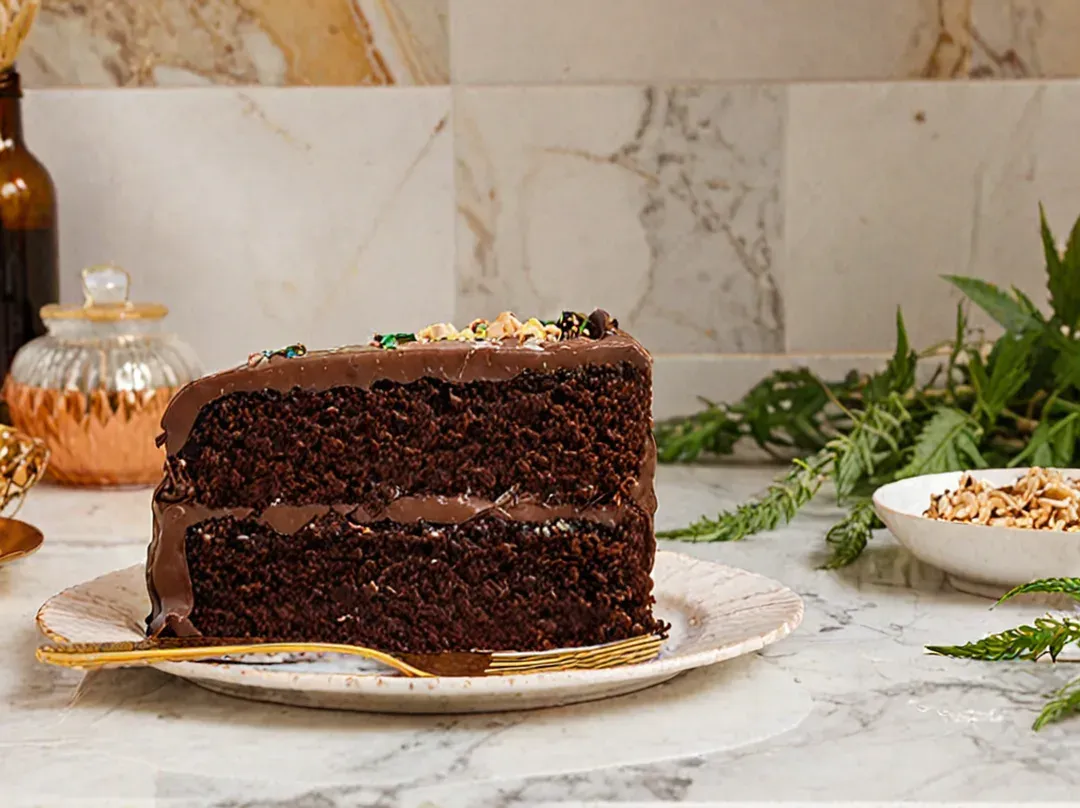
Cooking with CBD: The Ultimate Recipe Guide
In short
- CBD is fat-soluble: prioritize infusing it in fats (oil, butter) for better absorption.
- Respect a maximum cooking temperature of 160°C to avoid degrading the cannabinoids.
- The recommended starting dose is approximately 10 mg of CBD per person.
- Products like CBD oil are the easiest to integrate into your daily recipes.
CBD, or cannabidiol, is now making its way into kitchens to transform your meals into delicious and relaxing experiences. Fat-soluble by nature, it does not dissolve in water but integrates perfectly into oils or butters, ensuring optimal absorption by the body. To preserve its benefits, one golden rule applies: never exceed 160°C during cooking, or you risk degrading the active molecules.
Beginners can start with a moderate dosage, around 10 mg of CBD per person, to appreciate its effects without the risk of overdoing it. Whether you choose a CBD Oil at 5% or 30%, or flowers to decarboxylate, the available products offer remarkable flexibility to enhance your daily recipes, from pasta to cakes and even hot drinks.
Contrary to popular belief, cooking with CBD is not limited to exotic or complex dishes. This ingredient works just as well in savory as it does in sweet preparations, provided you respect its specific properties. For example, a simple infusion of CBD oil into olive oil can enhance a pasta sauce, while a blend of cannabidiol and clarified butter can add an original touch to fluffy cakes.
The trick lies in choosing the right fat source: the richer the material is in lipids, the better the CBD assimilation will be. Once these basics are mastered, the culinary possibilities become almost limitless, as long as you ensure you don’t alter the properties of the cannabis through overly aggressive cooking.
Cooking with CBD: The Essentials
Integrating CBD into your recipes requires neither sophisticated equipment nor advanced culinary skills, but rather a minimal understanding of its characteristics. This ingredient is distinguished by its ability to subtly modify the flavors of a dish without dominating its aromatic profile, provided it is properly dosed. Whether you enjoy quick meals or elaborate cooking, CBD adapts to all styles, as long as you follow one fundamental rule: it does not mix with water.
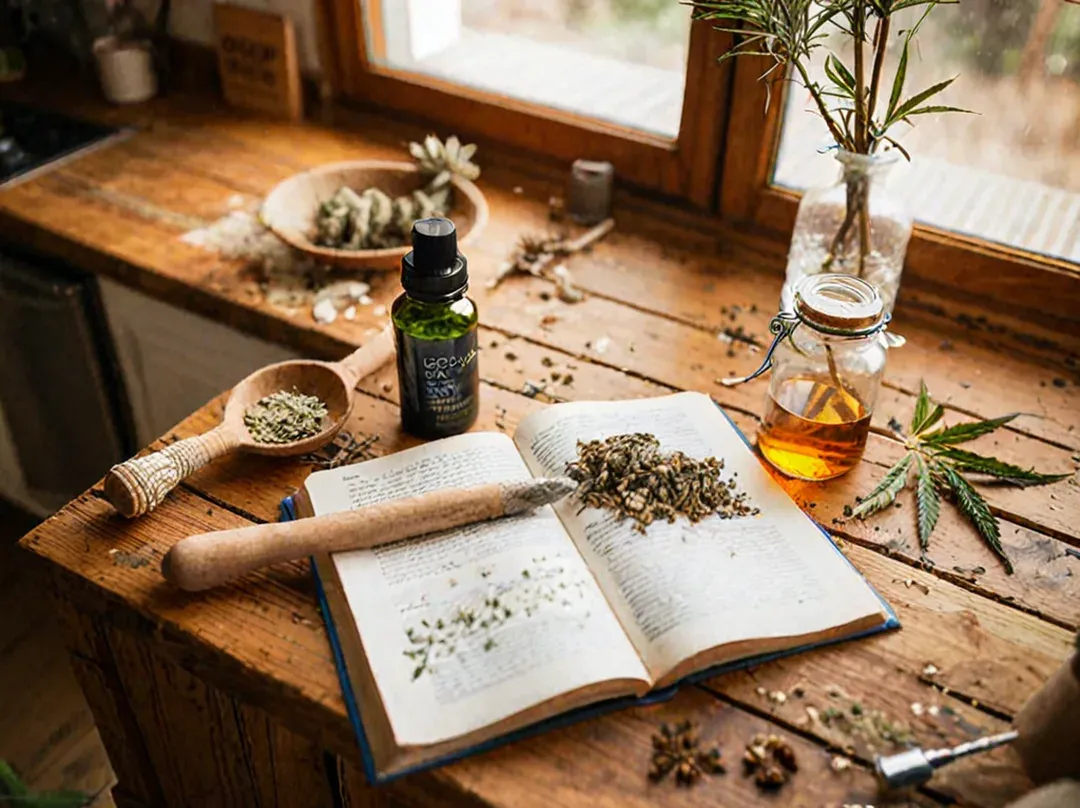
Its effectiveness depends entirely on its association with oils or butters, which act as carriers for its assimilation by the body. Once this constraint is understood, the possibilities expand: creamy sauces, infused drinks, or even CBD-enriched scrambled eggs become viable options for a nutrient-rich diet.
The fat-soluble nature of cannabidiol explains why CBD oils—available in various concentrations from 5% to 30%—are the most popular choice among cooks. They allow for precise dosing and easy incorporation, whether in hot preparations like soup or garlic pasta, or in cold dishes such as seasoned salads.
Thanks to their fluid texture, CBD oils blend naturally into mixtures without altering the texture of the food. Conversely, CBD-infused butters, which are richer in fat, are perfect for cakes or slow-cooked dishes, where their slightly buttery taste and creaminess add an extra dimension. These products therefore offer rare versatility, meeting culinary needs as varied as consumer expectations.
To fully activate the properties of the CBD present in flowers, a technical but essential step is required: decarboxylation. This process involves heating the flowers between 100°C and 120°C for about 60 minutes, which transforms cannabidiolic acid (CBDA) into cannabidiol (CBD), the desired active form. Without this step, the benefits of CBD remain unexploitable in the kitchen, as CBDA has no effect on the body.
Once decarboxylated, flowers can be ground into a powder to be incorporated into sauces, hot drink mixes, or even poached eggs. Their flavor, often described as earthy or slightly herbaceous, pairs particularly well with stews or tomato-based preparations, where it brings a subtle depth without overpowering other aromas.
Choosing the Right CBD Product
The choice of CBD product depends primarily on the intended culinary use and your skill level. CBD flowers, while rich in cannabidiol, require prior decarboxylation to be effective, making them best suited for cooks ready to dedicate time to this step. Their earthy taste and texture may suit bold recipes like homemade sauces or infused drink mixes, but are less ideal for desserts where their flavor might dominate.
On the other hand, CBD oils stand out for their simplicity: easy to dose, they integrate effortlessly into various preparations such as creamy pasta, vinaigrettes, or even flavored coffees. Their concentration, ranging from 5% to 30%, allows you to adjust the potency as needed, making them an ideal ingredient for beginners.
Finally, CBD Butter, obtained by infusing clarified butter, is a must-have for cakes and pastries: its melting texture and subtle taste effectively mask the cannabis aroma while adding an original touch to desserts.
Methods for Cooking with CBD
Cooking with CBD relies on various methods adapted to each type of product and the desired effect. Whether you opt for ready-to-use oils or flowers to infuse, each approach offers distinct advantages in terms of flavor, simplicity, and the preservation of cannabidiol’s benefits.
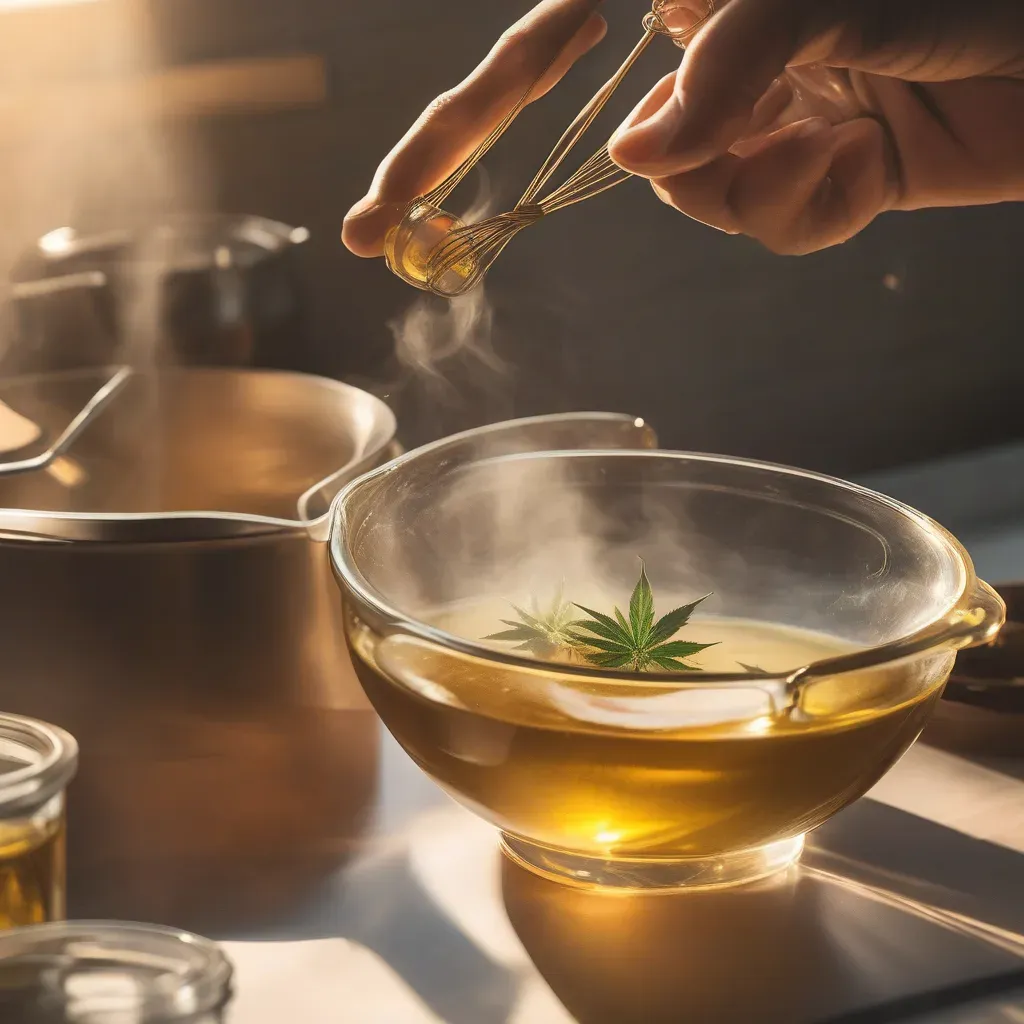
CBD oil, for example, pairs perfectly with sauces, pasta, or cakes, while flowers, which are more subtle, are suitable for hot drinks or infusions aimed at relaxation. The choice will also depend on your experience: beginners will often prefer industrial preparations like CBD oils, while enthusiasts will explore homemade recipes based on flowers.
Cooking with CBD Oil
Cooking with CBD oil is a simple and effective way to incorporate cannabidiol into your daily recipes. This format, already extracted and dosed, slides easily into culinary mixtures: a teaspoon in a vinaigrette, a knob in a soup, or a tablespoon in a cake batter is enough to flavor your dishes while benefiting from its soothing effects.
The advantage of CBD oils also lies in their versatility: they handle both gentle cooking and cold preparations, such as dressings or milk-based desserts. However, to preserve its properties, avoid excessive temperatures that could alter the cannabidiol. A useful tip is to add the oil at the end of the cooking process to limit any loss.
Cooking with CBD Flowers
Cooking with CBD flowers requires technique, but allows for deep customization of your recipes. Unlike oils, they require a decarboxylation step (light heating) to activate their active compounds before infusion. For drinks like coffee or herbal teas, a dosage of 0.5 to 1 gram per cup is enough to infuse a subtle and relaxing aroma.
Flowers also pair well with butters or eggs for artisanal desserts, such as brownies or creams, where their texture melts away without dominating the flavors. However, using them requires testing proportions carefully, as their potency can vary depending on quality and extraction method. An overly concentrated infusion risks altering the final taste, which is why it is wise to start with small quantities.
Simple Techniques for Cooking with CBD
Applying simple techniques to cook with CBD begins with mastering temperature, a critical parameter for preserving the benefits of cannabidiol. High-temperature cooking, beyond 160°C to 180°C, leads to a partial or total degradation of the active molecules, reducing the effectiveness of the preparations. In pastry, where flavors must remain intact, it is preferable not to exceed 150°C or to add the CBD oil after cooking, for example in a glaze or a cream.
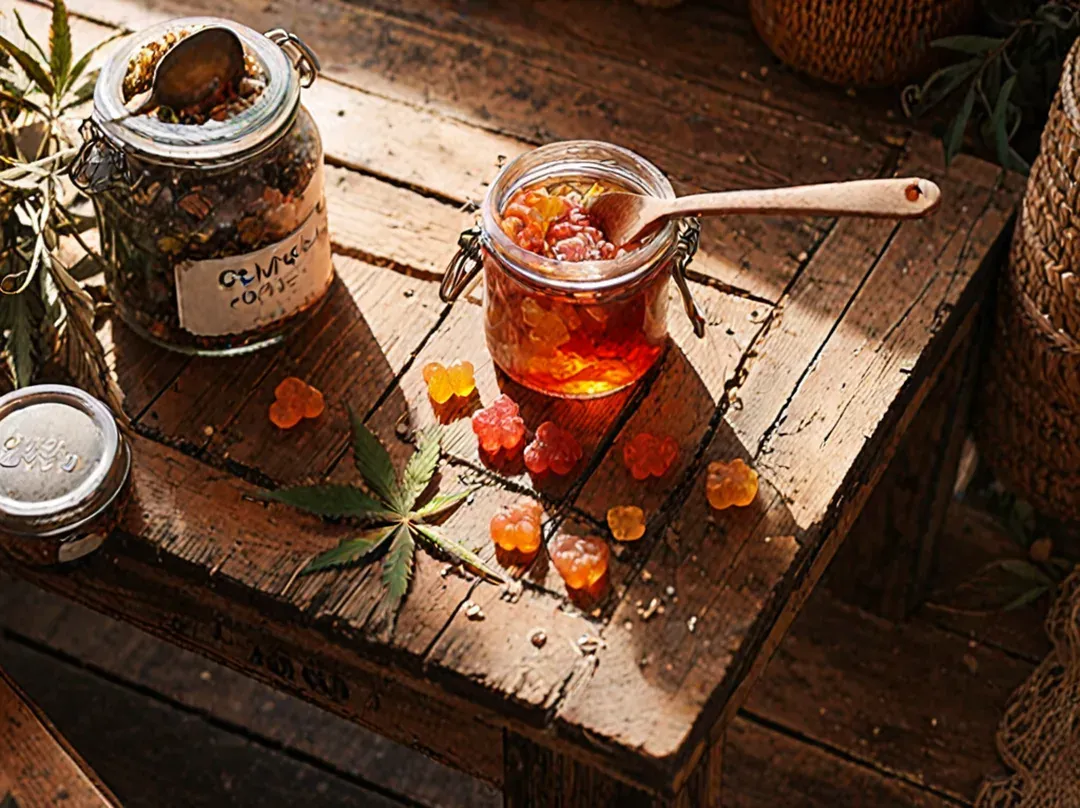
For recipes requiring prolonged oven cooking, such as certain cakes or biscuits, a gentle temperature of 110°C to 120°C for 30 to 40 minutes allows for the integration of CBD without altering its properties. CBD oils, often used to enrich sauces or hot dishes, should be added at the end of cooking to avoid any thermal loss of potency.
Another tip is to mix the CBD oil with butter or olive oil before adding it to eggs or pie crusts, in order to homogenize the distribution and avoid localized concentrations.
The dosage of CBD in your recipes should be gradual, as effects vary depending on the individual and the products used. To start, a dose of 10 mg (roughly 10 ml of oil) per person constitutes a balanced starting point, especially for drinks like smoothies or infusions.
In pastry, CBD cakes or muffins are dosed between 5 and 15 mg per individual serving, depending on the desired intensity, while spreads or dessert mixes may require up to 1 to 2 g of resin for a large cake.
For liquid preparations, such as CBD coffees or lattes, 3 to 8 mg per serving is usually sufficient, with just a few drops of oil providing a subtle effect. A common mistake is to overdose on the first attempt, whereas a gradual approach allows you to adjust flavors and benefits without the risk of imbalance. A summary table of dosages by recipe type can serve as a practical guide to refine your ingredients and optimize the culinary experience.
| Recipe Type | Ideal CBD Product | Recommended Dosage |
|---|---|---|
| Drinks & Smoothies | CBD Oil | 3 to 8 mg per serving |
| Pastries & Cakes | Oil or Butter | 5 to 15 mg per slice |
| Infusions & Herbal Teas | CBD Flowers | 0.5 to 1 g per cup |
Cooking with CBD: Flavor and Wellness
Cooking with CBD: flavor and wellness is a trend that appeals for both its flavors and its benefits. Cannabidiol, extracted from cannabis without psychoactive effects, blends with food to create preparations where gustatory pleasure meets relaxation.
Whether in a sweet or savory version, its integration transforms classic recipes into unique experiences, where the natural bitterness of CBD is softened by ingredients like chocolate or nuts. This culinary approach also allows for the exploration of drinks and dishes where CBD becomes a full-fledged ingredient without altering the balance of flavors.
Sweet Delights
Desserts represent the ideal playground for integrating CBD, as their texture and sweetness naturally mask its slightly bitter taste. A bar of CBD chocolate can thus reach a cocoa content of 63%, offering an aromatic intensity that enhances the benefits of cannabidiol.
The most popular sweet recipes include cookies, where CBD oil is incorporated into the dough for a moist result, or space cake, an infused cake that combines indulgence with a relaxing effect. Fruits, such as banana or avocado, also act as natural carriers to soften the CBD, while plant-based butters or seeds enrich the preparations with omega-3s, reinforcing the harmony of flavors.
Savory Recipes and Drinks
CBD is not limited to desserts: it also makes an appearance in savory recipes and drinks, where it adds an original touch without dominating the flavors. For hot dishes, a CBD vinaigrette can be prepared by mixing 2 tablespoons of infused fat with 1 tablespoon of balsamic vinegar, creating a creamy sauce to accompany salads or low-temperature cooked root vegetables.
Pasta or quinoa become perfect bases for incorporating CBD, such as in a salad where the CBD oil is added at the end of cooking to preserve its properties. Eggs, meanwhile, can be enriched with cannabidiol for omelets or mayonnaises with soothing benefits, while CBD oils can also be integrated into marinades or sauces for stews.
- Dark chocolate
- Banana
- Avocado
- Nuts and seeds
- Root vegetables
FAQ
Is it possible to eat CBD? Yes, CBD can be consumed via food or drinks, provided that dosages are respected.
Is food-grade CBD legal in France? Yes, the consumption of CBD products is legal in France as long as they contain less than 0.3% THC.
In what types of food can CBD be included? It can be integrated into fatty products (oils, butters), pastries, salads, or drinks.
Does cooking alter the effectiveness of CBD? Yes, heat above 160°C can degrade cannabinoids and reduce their effectiveness.
How should I dose CBD for my recipes? It is recommended to start with a low dose, around 10 mg per person, and adjust according to how you feel.
Which foods pair well with CBD? Dark chocolate, banana, avocado, and nuts pair particularly well with the flavors of CBD.