CBD Food: Regulations and Uses in 2026
In short
- CBD food sales have been banned since May 15, 2026.
- Hemp seeds and hemp oil remain authorized as food products.
- Cooking temperatures should never exceed 170 °C (338 °F) to preserve cannabinoids.
- Quality products must maintain a THC level below 0.3%.
Since May 15, 2026, the sale of CBD-infused food has been banned in France, marking a turning point for this rapidly expanding sector. This decision, guided by European directives, now prohibits the sale of food products containing cannabidiol, such as candies, herbal teas, or flavored infusions, with very few strict exceptions. Only hemp-based foods (seeds, oil) and CBD-based cosmetics remain authorized, provided they comply with a THC level below 0.3%.
Furthermore, when preparing CBD recipes, cooking temperatures must stay below 170 °C to preserve the cannabinoids, whose potential benefits continue to be a subject of debate and research. This regulation has disrupted a market that included more than 2,000 specialty stores before the ban, driving consumers toward either legal alternatives or a growing black market.
The ban aims to clarify the legislation surrounding CBD, which is often confused with recreational cannabis. However, hemp and its derivatives, such as CBD oil, maintain significant nutritional and culinary interest, provided they adhere to health standards.
Hemp-based products, rich in omega-3 and protein, remain a sustainable food trend, while recipes incorporating CBD must now prioritize indirect methods, such as adding CBD Oil to dishes cooked at low temperatures. This transition reflects a public health approach requiring greater rigor without completely abandoning the perceived benefits of cannabidiol.
The state of CBD food in France
CBD food in France experienced a skyrocketing trend leading up to 2026, driven by growing demand for innovative products and increasing curiosity regarding the purported benefits of cannabidiol. Before the ban, more than 2,000 specialty stores offered candies, herbal teas, flavored oils, or even CBD flowers intended for food consumption, despite the lack of a clear legal framework.
This surge was supported by an expanding market, fueled by consumers seeking natural alternatives for health or weight management, as well as by ambiguous legislation that was often interpreted differently across regions.
The transition to new European standards forced a sudden reorganization of this sector. Products containing pure CBD are now prohibited for sale, except for hemp-derived ingredients (seeds, oil) whose composition does not exceed 0.3% THC.
This measure aims to clearly distinguish cannabidiol, which has non-psychoactive effects, from recreational cannabis. Specialty stores that once flourished must now pivot toward compliant items, such as CBD oil or hemp-based herbal teas, while avoiding flavors or presentations that too closely mimic direct food consumption.
CBD food regulation in France
CBD food regulation in France is based on the findings of the European Food Safety Authority (EFSA), which evaluated the safety of products containing cannabidiol as novel foods. Of the more than 200 dossiers submitted to the European Commission, only 17 were still under review in 2026, reflecting a cautious approach due to the lack of scientific consensus on their safety.
This position, reinforced by European directives, now prohibits the marketing of food products—such as candies, herbal teas, or CBD oil—containing cannabidiol, unless a specific exemption applies. French legislation, aligned with these recommendations, aims to protect consumers by avoiding risks associated with uncontrolled consumption, particularly for sensitive populations.
Health authorities have increased inspections to detect non-compliant products following a significant rise in reported poisoning incidents related to Cannabinoid ingestion in 2024. Several hundred cases were recorded, primarily associated with poorly dosed CBD flowers or extracts, highlighting the dangers of unregulated food consumption.
This vigilance also extends to specialty markets, where some players continued to offer undeclared items despite the ban. The reinforcement of inspections, coordinated by the Ministries of Health and Agriculture, marks a break from previous practices, where the trend of integrating CBD into food grew without a strict framework.
Food-grade hemp vs. CBD extracts: Two distinct realities
Food-grade hemp and extracted CBD represent two distinct realities. It is important to distinguish between products derived from the seed and cannabinoid extracts. The latter include chocolates dosed between 50 and 500 mg (some using 61% Valrhona cocoa), or beverages like non-alcoholic sodas and beers containing 10 to 25 mg of CBD. Gummies and candies also offer precise dosages of 10 to 25 mg, while flower-enriched honeys complete this range of processed products.
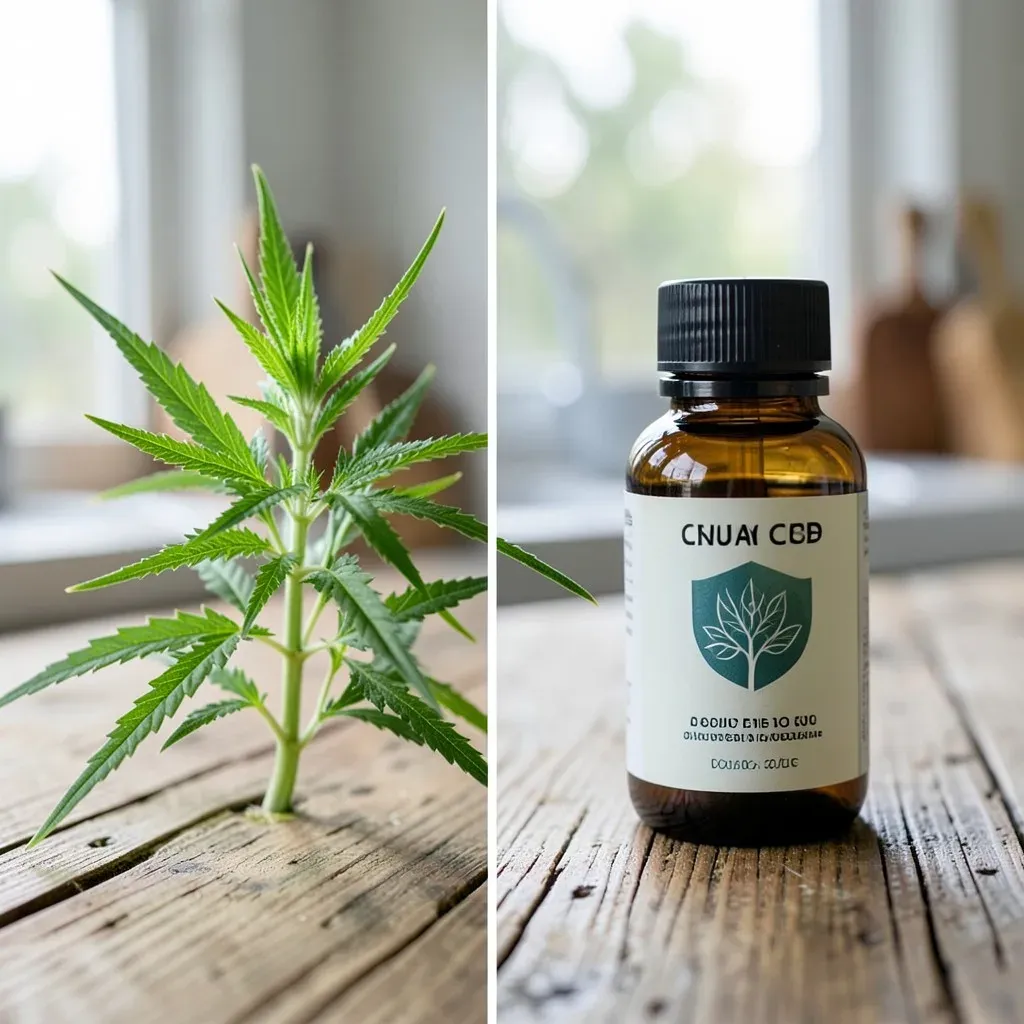
Hemp seeds and their derivatives are not considered novel foods, allowing them to be sold freely for consumption. This includes cold-pressed food-grade hemp oils. These are rich in essential fatty acids and are primarily used for seasoning. Unlike cannabidiol extracts, these products focus on the nutritional benefits of the plant rather than a specific dosage of active molecules.
Nutritional benefits of hemp in your diet
Hemp seeds, often integrated into recipes for their nutritional benefits, are a versatile ingredient rich in essential elements. Regular consumption can provide a significant portion of the Recommended Daily Allowance (RDA) for proteins, omega-3 and omega-6 fatty acids, as well as minerals like magnesium, iron, or zinc.
Based on available nutritional data for 30 grams of seeds, they cover 20% of protein needs, 160% of omega-3 (ALA), and 68% of omega-6 (LA), while contributing to mineral balance.
Their interest also lies in their lipid profile, featuring an optimal omega-6/omega-3 ratio for a balanced diet, making them a top product choice for consumers mindful of their health or looking to diversify their nutrient sources. These assets make hemp an increasingly popular food in vegetarian or vegan diets, as well as in nutritional approaches focused on prevention or weight management.
| Nutrient (per 30g of seeds) | Amount | % RDA |
|---|---|---|
| Protein | 10 g | 20 % |
| Omega-3 (ALA) | 2.5 g | 160 % |
| Omega-6 (LA) | 7.5 g | 68 % |
| Magnesium | 63 mg | 15 % |
| Iron | 2.4 mg | 17 % |
| Zinc | 1.6 mg | 15 % |
CBD in food: What forms are available?
Before the reinforced legal restrictions, cannabidiol (CBD) was integrated into food in various forms, meeting growing consumer demand for accessible products. CBD candies, such as gummies or chocolates, dominated with dosages ranging from 10 to 500 mg per unit, while beverages (syrups, herbal teas, or infused waters) offered more moderate amounts, between 10 and 25 mg per bottle.
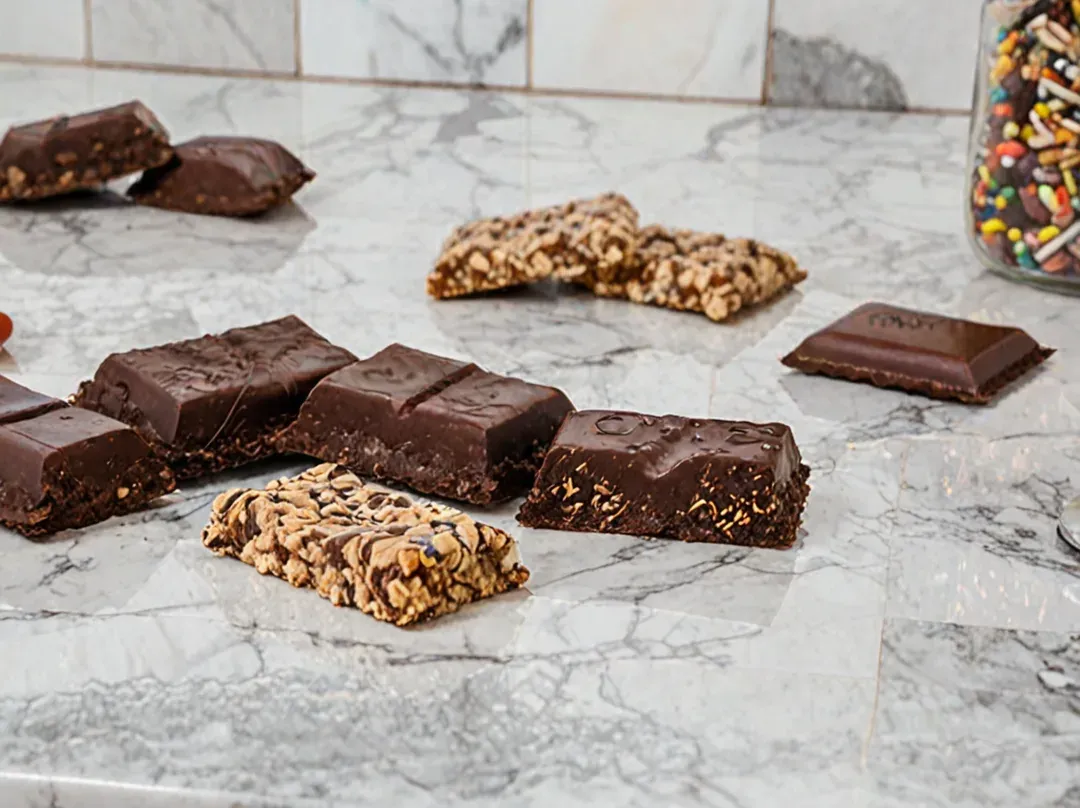
These products, often presented as tasty alternatives, aimed to facilitate the absorption of the cannabinoid through familiar flavors, although their effectiveness depends heavily on dosage and method of consumption. Herbal teas and infused honeys offered a more discreet approach, with concentrations generally below 15 mg per serving.
| Product | Common Dosage | Consumption Method | Average Onset Time |
|---|---|---|---|
| CBD Chocolate | 50 to 500 mg/bar | Bite/Chew | 45 to 90 min |
| CBD Beverage | 10 to 25 mg/bottle | Drink | 30 to 60 min |
| Gummies | 10 to 25 mg/unit | Chew | 45 to 90 min |
| CBD Honey | 5 to 15 mg/spoon | Pure or in hot drink | 30 to 60 min |
How to incorporate CBD oil into your daily diet?
How can you incorporate CBD oil into your daily diet? To successfully integrate this cannabidiol into your dishes, temperature control is paramount. To preserve the cannabinoids and optimize health benefits, you should never heat CBD-infused foods above 170 °C (338 °F). This rigorous precaution prevents the thermal degradation of the active principles contained in the products. Controlled heat management ensures that the ingredient retains all its essential properties during the preparation of your various culinary recipes.
Creating infused fats requires specific patience to ensure efficient hemp extraction. For a CBD-infused butter or oil, allow at least 3 hours of cooking over very low heat. This slow process stabilizes the dosage while gradually infusing the active molecules into the fat. This artisanal method transforms a simple fat into a nutritious base, ideal for varying flavors while enjoying the virtues of CBD in a balanced dietary routine.
- Preheat your oven to 110 °C (230 °F) for the decarboxylation of the flowers.
- Use between 1 and 2 g of ground flowers for every 250 g of butter.
- Let infuse over very low heat for at least 3 hours.
- Ensure the cooking temperature never exceeds 170 °C (338 °F).
CBD for weight loss: Marketing gimmick or real efficacy?
CBD for weight loss is a subject of persistent debate among consumers and health professionals. While some products promise benefits for weight management, no scientific study has officially validated this efficacy. The trend often relies on indirect mechanisms, such as stress reduction or improved sleep—factors that could indirectly influence eating habits.
However, the question “CBD for weight loss: marketing gimmick or real efficacy?” remains open due to a lack of solid clinical evidence. Cannabidiol-based products are not designed to replace a balanced diet or an active lifestyle, and their consumption should not be viewed as a miracle solution.
Before considering CBD as part of a weight loss regimen, it is essential to consult a healthcare professional. The risks of drug interactions are real, particularly with anticoagulants or anti-epileptics, as highlighted by French legislation.
Pregnant women, individuals under 25, and those under medical treatment should be particularly cautious, as the effects of cannabidiol on these populations remain poorly documented. Prioritizing certified products and respecting recommended dosages limits risks but does not guarantee proven efficacy for weight loss.
FAQ
What is the legislation regarding CBD in France? Since May 2026, food products containing CBD are prohibited because they are considered “novel foods” not authorized by the EFSA.
Can you drive after consuming a CBD candy? It is not recommended to drive, as effects can vary depending on the dosage and the individual.
Can you give CBD candies to children? No, the consumption of CBD products is strictly discouraged for minors.
Are CBD candies legal in France? No, edible products enriched with CBD are no longer authorized for sale.
How do I dose CBD correctly? It is recommended to start with low doses, between 5 and 10 mg, to test your tolerance.
Sources
- Ministry of Agriculture, Food and Food Sovereignty: Foodstuffs containing cannabidiol
- Radio France: The ban on CBD food raises fears of an illegal market
- PubMed: Cannabidiol Adverse Effects and Toxicity