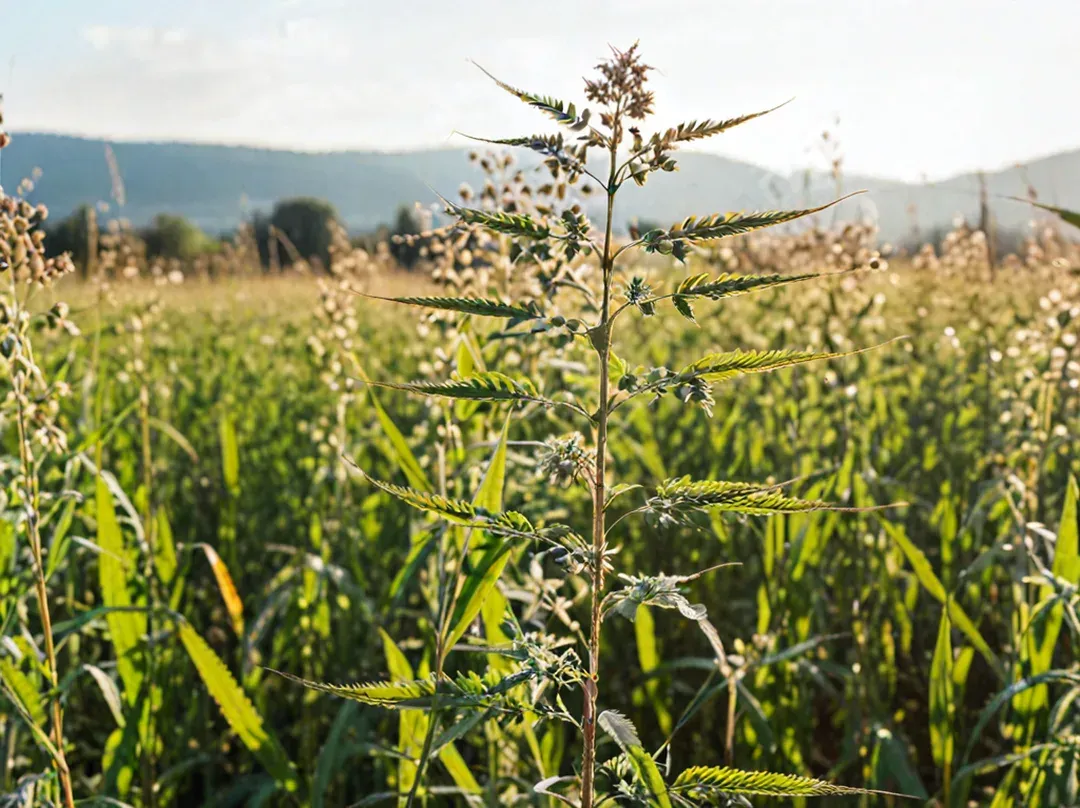
Full Spectrum CBD: Benefits and Secrets Explained
In short
- Contains all plant compounds (cannabinoidss, terpenes, flavonoids).
- Contains traces of THC below 0.3%.
- Promotes the entourage effect for enhanced synergy.
- Available in various forms: oil, flowers, gummies, or creams.
Full spectrum CBD is much more than a simple cannabidiol extract: it is a product that retains the entirety of the hemp plant’s natural compounds, including minor cannabinoids (such as CBG or CBN), terpenes (responsible for aromas and flavors), and flavonoids (molecules with antioxidant properties). Unlike a pure CBD isolate, this approach preserves a natural synergy between these elements, potentially reinforcing the desired effects for users—a phenomenon known as the entourage effect.
With THC traces below 0.3% (in compliance with European regulations), full spectrum offers a balanced alternative for those wishing to benefit from an oil or product with complete properties, without the psychoactive effects of cannabis. Available as oil, creams, gummies, or even flowers, it easily integrates into a wellness routine while remaining accessible to both beginners and experienced consumers.
Why does this type of CBD generate so much interest? Because it faithfully reproduces the plant’s chemical profile, whereas other extracts (such as broad spectrum or isolate) eliminate some of these compounds. Specialized extraction laboratories emphasize that this approach preserves not only the expected benefits of cannabidiol but also those of other cannabinoids and terpenes, creating a complex interaction that could optimize absorption and efficacy.
Whether you are looking to relieve muscle tension, improve your sleep, or simply integrate CBD into your daily quality of life, full spectrum positions itself as a natural and versatile solution, provided you prioritize products derived from organic farming and tested with full transparency.
Everything You Need to Know About Full Spectrum CBD: Definition, Effects, and Differences
Full spectrum CBD refers to a hemp extract that retains all the compounds present in the plant, except for THC, which is kept below the legal threshold of 0.3%. Unlike an isolate (where only cannabidiol is present) or a broad spectrum (where THC is entirely removed), this extraction method preserves a complete matrix: minor cannabinoids (such as CBDA or CBC), terpenes (myrcene, pinene, limonene), and flavonoids, each playing a role in the effects perceived by users.
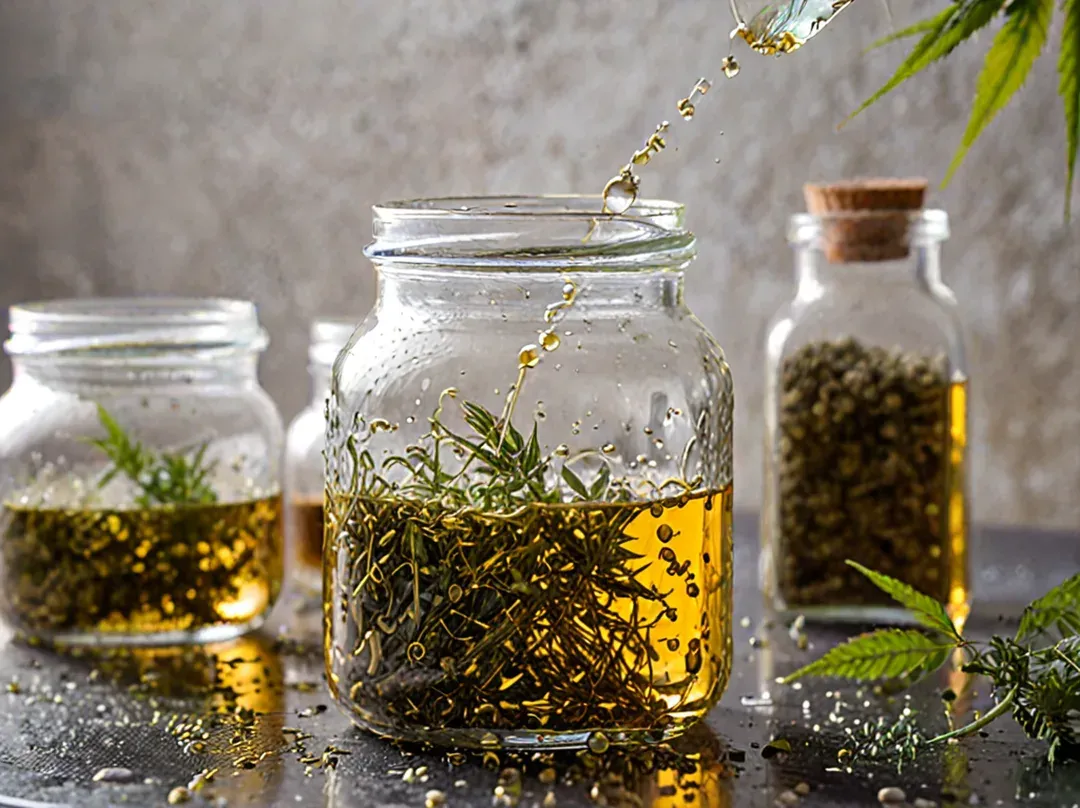
This approach reflects the plant’s natural synergy, where compounds interact to potentiate their benefits—a key principle for understanding why full spectrum is often preferred by those seeking an experience closer to the original plant. In fact, the query “full spectrum cbd” reveals a growing demand for this type of product, particularly among enthusiasts of CBD oil or creams looking to benefit from a product with optimized properties.
What is Full Spectrum CBD?
Full spectrum CBD distinguishes itself from other cannabidiol extracts through its complete composition, preserving the full range of natural compounds from the hemp plant. Unlike CBD isolate, which contains only pure cannabidiol, or broad spectrum, where THC is completely eliminated, full spectrum retains a diversity of active molecules.
This approach reflects a holistic philosophy of use, where every component plays a role in the overall efficacy of the product. For CBD enthusiasts, this difference is crucial, as it directly influences the perceived effects and the quality of the experience.
A Simple Definition of Full Spectrum CBD
A simple definition of full spectrum CBD reveals an extract that captures the entirety of the compounds present in the hemp plant without major alteration. This includes not only cannabidiol (CBD) but also other cannabinoids like CBG (cannabigerol), CBN (cannabinol), as well as terpenes (responsible for characteristic aromas) and flavonoids, the latter contributing antioxidant properties.
Even traces of THC (below 0.3% in France, according to regulations) are present, though insufficient to cause psychoactive effects. This molecular richness is what radically differentiates full spectrum from isolated or purified versions.
Detailed Composition of a Full Spectrum Product
The detailed composition of a full spectrum product highlights a complex synergy between its various compounds. Cannabidiol is the main component, while CBG (cannabigerol) acts as a precursor, and CBN (cannabinol), resulting from the oxidation of THC, provides mild sedative effects. Terpenes, meanwhile, vary depending on the hemp strain and influence both the aroma and potential therapeutic properties, such as myrcene (relaxing effect) or limonene (energizing effect).
Even THC, although present in minute quantities (less than 0.3%), participates in the entourage effect, a phenomenon where compounds work together to potentiate the benefits of CBD. Currently, research has identified more than 140 distinct cannabinoids in hemp, a number that is constantly increasing, highlighting the chemical diversity of this plant.
Full Spectrum CBD: What is it Exactly?
What exactly is full spectrum CBD? It is a raw extract obtained through gentle extraction (often supercritical CO2 or food-grade ethanol) that preserves all the plant’s natural compounds without aggressive filtration. Unlike an isolate, where only CBD is extracted, or a broad spectrum, where THC is removed, full spectrum maintains this molecular diversity to offer a more complete experience.
This approach is particularly favored by users seeking an oil or product with balanced effects, where every molecule contributes to the overall harmony. The quality of such an extract largely depends on the cultivation, extraction, and laboratory testing methods, ensuring the absence of contaminants and respect for natural ratios.
The Entourage Effect: Why Full Spectrum is Different
The entourage effect refers to the natural synergy between cannabis compounds, where CBD does not work alone but interacts with other cannabinoids (such as CBG and CBN) and the terpenes present in the plant. This dynamic, studied since the 1990s, explains why a full spectrum product can offer more complete benefits than pure CBD isolate. Rather than a simple sum of individual effects, the entourage effect potentiates the overall action, creating a more balanced and sometimes more effective response for users.
Terpenes, those aromatic compounds found in over 2,000 plants, play a key role in this modulation. For example, myrcene (with earthy notes) could enhance the sedative effects of CBD, while limonene (citrusy) could stimulate mood.
Their combination with cannabinoids creates a unique profile depending on the extracts: a full spectrum rich in terpenes like pinene or linalool can thus offer a distinct experience from a broad spectrum product, where these molecules are partially removed. This interaction is at the heart of the entourage effect, validated by studies such as those conducted on medical cannabis oil.
Beyond terpenes, other cannabinoids (THC at less than 0.3% in legal full spectrum, CBG, CBC) contribute to amplifying the effects of CBD. In the laboratory, certain combinations show an anti-inflammatory potency up to 30 times higher than aspirin, thanks to the synergy between cannabinoids and flavonoids.
For instance, CBG combined with CBD could potentially enhance neuroprotective properties, while CBC might strengthen the pain-relieving effect. These interactions, still being explored, highlight why full spectrum products are sought after for their holistic approach, going far beyond a simple supply of cannabidiol.
Full Spectrum vs. Broad Spectrum vs. Isolate
The comparison between Full Spectrum, Broad Spectrum, and CBD isolate is based primarily on their level of purity and their composition of active compounds. Full Spectrum retains the entirety of the cannabinoids present in the plant (CBD, THC at less than 0.3%, CBG, CBN, etc.), as well as terpenes and flavonoids, thus offering optimal synergy through the entourage effect.
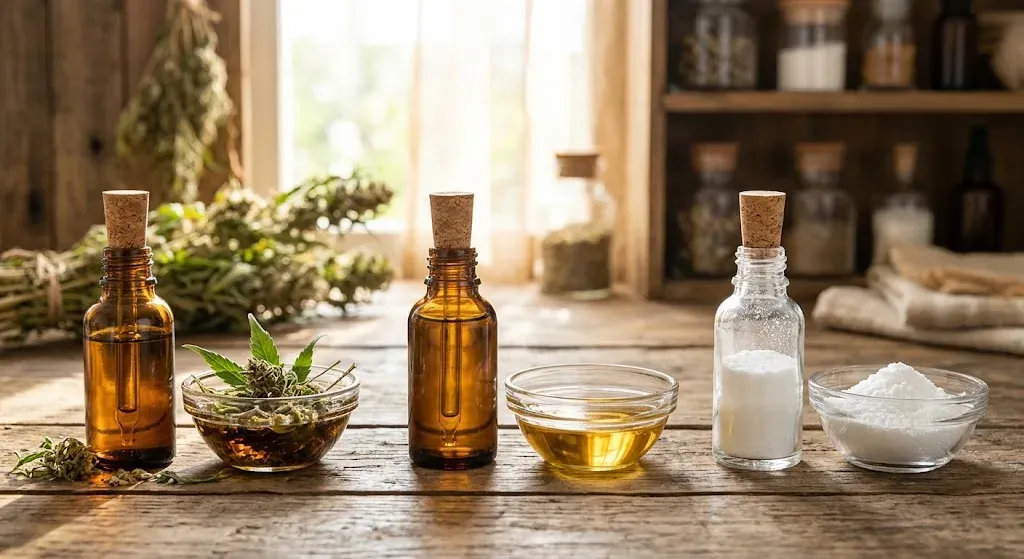
Conversely, Broad Spectrum eliminates THC while preserving other cannabinoids and terpenes, whereas an isolate contains only pure cannabidiol, without any other plant compound. This distinction directly influences the effects perceived by users, as well as possible uses, particularly in culinary products where the presence of terpenes can enhance flavors.
| Criterion | Full Spectrum | Broad Spectrum | Isolate |
|---|---|---|---|
| THC Content | Yes (traces < 0.3%) | No (0%) | No (0%) |
| Terpenes and Flavonoids | Yes | Yes | No |
| Entourage Effect | Yes (optimal) | Yes | No |
| Refinement | Low | Medium | High |
The choice between these three forms depends on expectations: Full Spectrum is preferred for its expanded therapeutic potential, while Broad Spectrum is suitable for people wishing to avoid any trace of THC, and isolate appeals through its simplicity and compliance with strict standards.
Specialized extraction laboratories use distinct methods to obtain these profiles, such as chromatography to isolate CBD or gentle processes to preserve volatile compounds in Full Spectrum. This diversity meets various routines, from enthusiasts of oil to cooks integrating CBD into their recipes.
How is Full Spectrum CBD Made?
The production of full spectrum CBD relies on extraction methods designed to preserve the full range of active compounds of the plant, including cannabinoids, terpenes, and flavonoids. Unlike other processes that isolate only cannabidiol, these techniques aim to preserve the natural synergy between these molecules, guaranteeing a more complete product.
The quality of full spectrum thus depends directly on the rigor of the process, where every step—from the choice of the plant to laboratory testing—influences the final efficacy. How is full spectrum CBD made? The answer lies in precise processes, among which supercritical CO2 extraction stands out as the gold standard for demanding users.
Supercritical CO2 Extraction and Other Methods
Among extraction methods, supercritical CO2 extraction is the most widespread for obtaining high-quality full spectrum CBD. This process uses carbon dioxide under high pressure and moderate temperature to dissolve compounds without altering their structure, while eliminating impurities. In contrast, alternative methods such as cold extraction or the use of solvents (such as ethanol or hexane) present distinct advantages and disadvantages.
- Supercritical CO2 extraction: a natural and clean method.
- ethanol extraction: efficient but may require refining.
- Other methods: economically advantageous but with risks of residues.
For example, cold extraction is more natural but produces a less complete extract, while economical solvents can leave undesirable residues. Each approach influences the purity and efficacy of the full spectrum, which is why it is important to favor controlled processes for an optimal product.
What Forms is Full Spectrum CBD Available In?
What forms is Full Spectrum CBD available in? The market offers a wide variety of full spectrum CBD-based products, adapted to different modes of consumption. Whether for sublingual, topical, or even culinary use, the options are numerous and allow for meeting the specific needs of users. These formulations preserve the entourage effect thanks to the simultaneous presence of cannabinoids, terpenes, and flavonoids, thus offering a more complete experience than isolates or broad spectrums.
Full Spectrum CBD Oil
Full Spectrum CBD oil remains the most popular form among consumers due to its versatility and ease of use. Available in various concentrations, it allows for adjusting doses according to needs, with contents ranging from approximately 20 milligrams to over 140 milligrams per dose, generally for a volume of 0.5 to 1 milliliter.
References like Aspen Green Relief Organic Full Spectrum CBD Oil have even received a 5-star rating for their efficacy, while alternatives like Vena tincture stand out with a value-for-money rating of 4.3 stars, confirming their place in the routines of full spectrum CBD enthusiasts.
Flowers, Resins, or Edibles
Full Spectrum CBD gummies, creams, and flowers offer practical alternatives for those who prefer to avoid oils. Gummies, for example, contain between 20 and nearly 50 milligrams per dose, with recommended serving sizes ranging from half a gummy to two units.
Certain formulations, such as those tested by Forbes, incorporate up to 750 milligrams of CBD and 75 milligrams of delta-9-THC per jar, accompanied by other cannabinoids like CBG, thereby reinforcing the entourage effect. Creams, meanwhile, stand out with high concentrations, such as 2,000 milligrams for a 75 milliliter container, ideal for targeted topical application.
Full Spectrum CBD 40
Full Spectrum CBD 40, with its concentration of 40 milligrams per dose, is particularly aimed at experienced users seeking moderate potency without excess. This content, often offered in oils or capsules, allows for progressive absorption while maximizing the benefits of the compounds present in the plant, such as terpenes and other minor cannabinoids. Similar products are also available in various strengths, such as 750, 1,500, or 3,000 milligrams, for use adapted to both beginners and seasoned consumers, thereby guaranteeing a tailored experience.
How to Recognize High-Quality Full Spectrum CBD?
To identify high-quality full spectrum CBD, start by checking the concentration suited to your level of use. A beginner will prefer a product with 5% CBD, while an intermediate user will opt for rates between 10 and 20%, and an advanced user may choose extracts at 20% or more. These benchmarks help adjust dosage according to needs without the risk of overdose. The absence of these indications on the packaging or the manufacturer’s website should serve as a warning regarding the product’s transparency.

The quality of a full spectrum CBD is also confirmed by the presence of a detailed Certificate of Analysis (COA), accessible online or upon request. This document, established by an independent laboratory, specifies not only the cannabidiol content but also the THC rate, which must imperatively remain below 0.3% to respect European and French legislation. The other cannabinoids and terpenes present in the extract are also listed, guaranteeing the characteristic entourage effect of full spectrum. A product without these elements or with vague data should be avoided.
FAQ
Why is full spectrum CBD more effective than isolate or broad spectrum? Full spectrum CBD leverages the entourage effect—the combined action of cannabinoids (like CBD and THC), terpenes, and flavonoids in the plant—which enhances perceived benefits compared to isolated or stripped-down extracts.
Are there traces of THC in full spectrum CBD, and is it legal in France? Yes, full spectrum CBD contains trace amounts of THC (below 0.3%), which is legally compliant in France for authorized products. These levels are too low to produce psychoactive effects.
How can beginners incorporate full spectrum CBD into their daily routine? Beginners can start with oils, capsules, or other extracts, adjusting dosage gradually. Consistency—whether morning or evening—helps gauge individual tolerance and effects over time.
Does THC in full spectrum CBD actually contribute to its benefits, even at low doses? Research suggests that even trace THC (≤0.3%) may interact synergistically with CBD and other compounds, potentially amplifying effects like relaxation or pain relief, though mechanisms are still under study.
What side effects might full spectrum CBD cause, and do they vary by product? Side effects—such as drowsiness or dry mouth—are usually mild and tied to individual sensitivity rather than the product itself. Full spectrum’s broader compound profile doesn’t inherently increase risks beyond isolate.
How should full spectrum CBD be stored to maintain its potency? Store it in a cool, dark place (like a fridge) and avoid heat/light exposure to preserve cannabinoids and terpenes. Airtight containers also help prevent degradation over time.
Conclusion: Why is Full Spectrum CBD So Highly Sought After?
Full spectrum CBD attracts users both for its holistic approach and its increased efficacy compared to other forms of cannabidiol. Unlike a pure isolate, it retains all the compounds naturally present in the plant—cannabinoids (such as CBG or CBN), terpenes (myrcene, pinene), and flavonoids—which act in synergy via the entourage effect. This combination optimizes perceived benefits, such as deeper relaxation or enhanced anti-inflammatory action, while most closely reproducing the original chemical profile of hemp.
For enthusiasts of natural products, full spectrum offers a more authentic experience without altering active compounds, which explains its growing adoption in wellness routines. Its success also rests on increased transparency: certified laboratories guarantee traceability of the cannabinoids present, a key criterion for discerning consumers. Finally, its versatility—in the form of oil, capsules, or infusions—makes it a practical choice for integrating CBD into daily life while avoiding the side effects limited to isolated extracts.
Sources
- Forbes Health - CBD Guide
- Origine CBD - THC Regulation
- CBD Paschère - Understanding the Entourage Effect – cbdpaschere.com
- The CBD Store - Comparisons
- PubMed - Scientific Studies