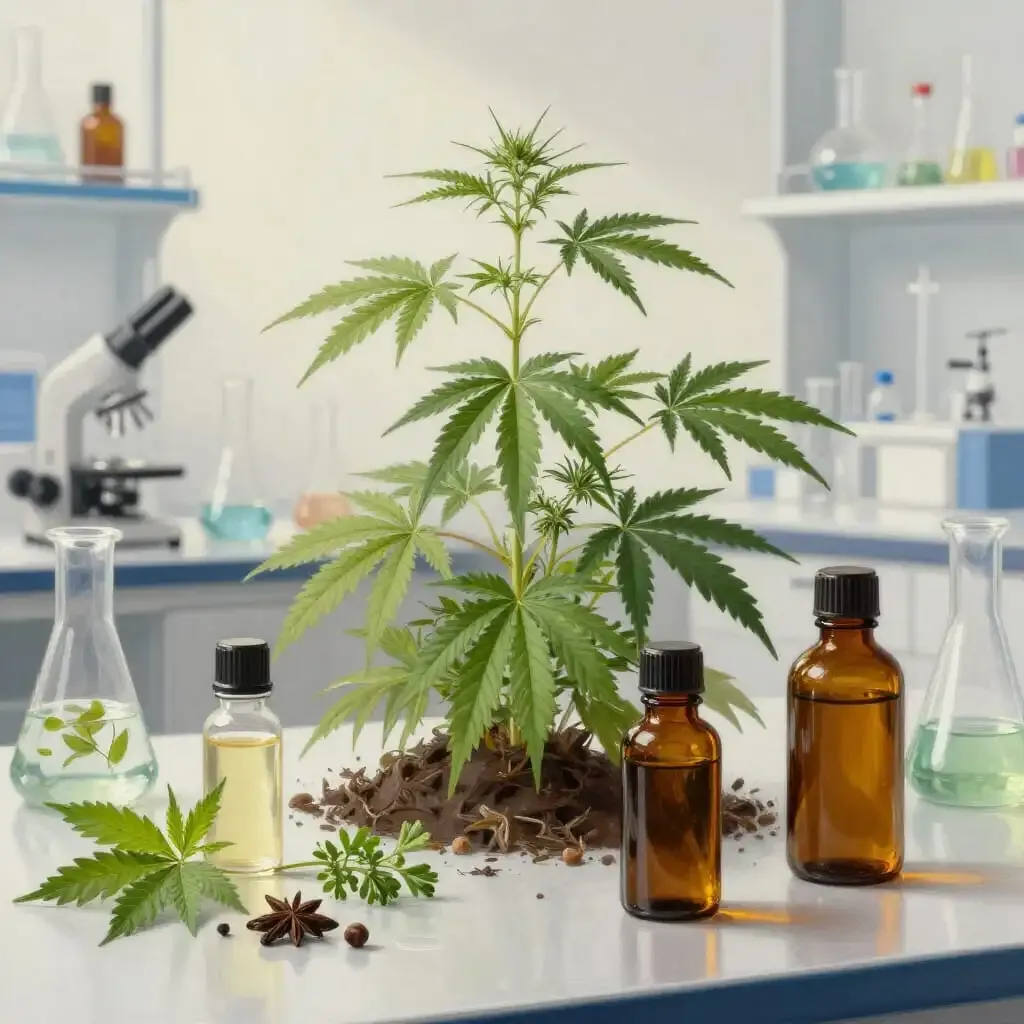
Ethanol Extraction: CBD Definition & Use
Definition
Ethanol extraction is a method that uses ethyl alcohol as a solvent to dissolve the cannabinoids and terpenes found in hemp plant material. The plant is soaked in ethanol, either cold or gently warmed, and the resulting liquid is then filtered and the alcohol evaporated under vacuum, leaving behind a CBD-rich concentrate.
Usage Context
This method is widely used by CBD manufacturers because it requires a more modest equipment investment than supercritical CO2 extraction, while still delivering a solid yield. Its downside: ethanol also dissolves chlorophyll, waxes, and other plant lipids alongside the cannabinoids, which leaves the crude extract more heavily loaded with impurities. A purification step called “winterization” is then needed: the extract is diluted in alcohol, chilled for several hours, and filtered to remove the waxes and fats before the solvent’s final evaporation.
Key Takeaways
- Ethanol extraction uses ethyl alcohol, often food-grade, as its solvent.
- It dissolves a broad spectrum of compounds (cannabinoids, terpenes, but also chlorophyll and waxes).
- A winterization step (chilling, then filtering) is needed to purify the crude extract.
- The ethanol is evaporated under vacuum at the end of the process, leaving no solvent trace in the finished product.
- It requires less costly equipment than supercritical CO2 extraction, for a comparable yield.
Related Terms
- CO2 Extraction — an alternative method using supercritical carbon dioxide, without a winterization step but with pricier equipment.
FAQ
Does ethanol extraction leave residue in the finished product? No, if the process is done correctly: the alcohol is fully evaporated under vacuum, and the absence of residue is confirmed through lab testing (a certificate of analysis).
Why does the extract need to be winterized? Because ethanol also dissolves the plant’s chlorophyll and waxes; winterization removes these unwanted compounds to yield a purer extract.
Is ethanol extraction considered a natural method? Yes, food-grade ethanol is a plant-derived solvent, which is why this method is often presented as more natural than hydrocarbon-based solvents.