CBD Olive Oil: Preparation Guide & Benefits
In short
- CBD olive oil combines the nutrients of olives with the properties of hemp
- Decarboxylation is a crucial step to activate CBD
- Opt for cold-pressed extra virgin olive oil
- Infusion requires precise temperature control
CBD-infused olive oil offers a synergy between two powerful ingredients: cannabidiol, a terpenic organic compound derived from hemp (Cannabis sativa or Cannabis indica), and extra virgin olive oil, obtained through the cold pressing of olives. CBD, discovered in 1940 and studied for its effects on the endocannabinoid system, can make up to 5% of the composition of certain hemp varieties, while olive oil provides antioxidants like oleocanthal, which offers cardiovascular benefits.
Combining them, often through infusion, allows you to benefit from both the anti-inflammatory properties of CBD and the fat-soluble nutrients in olive oil, while avoiding the risks associated with isolated Cannabinoid consumption. Decarboxylation, the key step to activating CBD, must be mastered to ensure effectiveness, while choosing an extra virgin oil rich in polyphenols optimizes the absorption of active compounds.
Using CBD olive oil is based on a simple principle: the vegetable oil acts as a lipophilic carrier, facilitating the assimilation of cannabinoids by the body. Unlike direct oral CBD consumption, which is often subject to hepatic metabolism, infusion in olive oil allows for increased bioavailability thanks to its high content of monounsaturated fatty acids.
This method, favored for its simplicity, also preserves the organoleptic characteristics of the oil while offering an alternative to coconut or hemp oils, which are sometimes less suitable for culinary recipes. Furthermore, recent studies highlight a synergistic effect between the phenolic compounds in olives and cannabinoids, reinforcing their properties regarding cardiovascular health and the reduction of stroke risks.
The Alliance Between CBD and Olive Oil
Cannabidiol (CBD) is a natural cannabinoid extracted from the hemp plant, classified among the more than 100 active compounds identified in Cannabis sativa and Cannabis indica. Discovered in 1940, it is distinguished by its terpenic chemical structure and represents, depending on the variety, up to 5% of the plant’s composition, trailing behind THC.
Its mechanism of action, primarily related to the modulation of the endocannabinoid system, makes it a major subject of study for its potential health applications, particularly for its non-psychoactive effects and its recognized safety profile in clinical studies.
Infusing CBD into a vegetable oil like olive oil leverages the advantages of both active ingredients: the oil, rich in fatty acids and antioxidants, improves the bioavailability of cannabinoids, while the CBD enhances the anti-inflammatory and neuroprotective effects of the olive.
This alliance, often performed cold to preserve heat-sensitive compounds, helps bypass the limitations of isolated CBD consumption, such as less efficient absorption or increased liver metabolism. Extra virgin olive oil, obtained by cold pressing, is particularly suitable due to its high polyphenol content, including oleocanthal, known for its anti-inflammatory properties similar to ibuprofen.
How to Make CBD Olive Oil at Home
To activate the cannabinoids present in cannabis, a key step called decarboxylation is essential before any infusion into olive oil. This chemical transformation, achieved by heating the cannabis to 240°F (approximately 115°C), converts cannabidiolic acid (CBDA) into active CBD. According to validated methods, this process should be carried out in the oven for 30 to 40 minutes to ensure optimal efficacy.
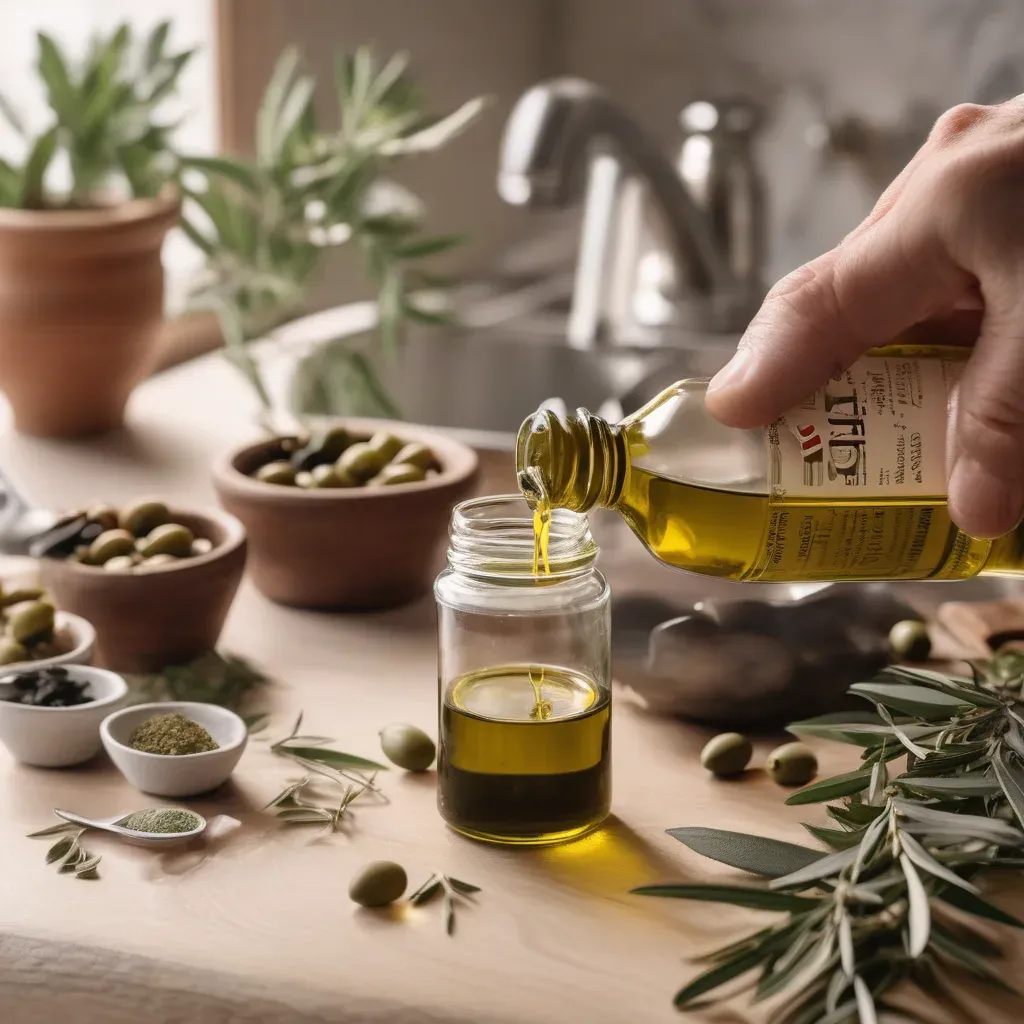
Without this step, the potential benefits of CBD would not be fully realized, reducing the impact of the enriched olive oil. This technical precision is crucial for enthusiasts wanting to prepare their own product, as it directly influences the amount and quality of the active compounds transferred into the lipid medium.
Infusing CBD into olive oil relies on a low-temperature maceration-type process, which is essential for preserving the anti-inflammatory properties and natural antioxidants of the oil. After decarboxylation, the mixture should be heated on low heat, between 160 and 180°F (71 to 82°C), for 2 to 4 hours to ensure a progressive homogenization of the cannabinoids.
Particular attention must be paid to the temperature intake: according to specialized sources, it is recommended to wait 30 seconds after reaching the ideal temperature before adding the cannabis to avoid premature degradation. This rigorous temperature control optimizes extraction while limiting the risks of losing efficacy, especially for users concerned about cardiovascular health, as the oleocanthal present in extra virgin olive oil acts in synergy with CBD.
- Preheat the oven to 240°F
- Decarboxylate the cannabis for 30 to 40 minutes
- Heat water, then pour in the olive oil
- Wait 30 seconds before adding the cannabis
- Maintain between 160 and 180°F for 2 to 4 hours
Extra Virgin Olive Oil: Benefits and Best Prices
To select an extra virgin olive oil of optimal quality, several technical and organoleptic criteria must be verified. Regarding extra virgin olive oil: benefits and best prices, extraction via cold pressing guarantees the preservation of active compounds, such as antioxidants and oleocanthal, a polyphenol with properties close to ibuprofen.
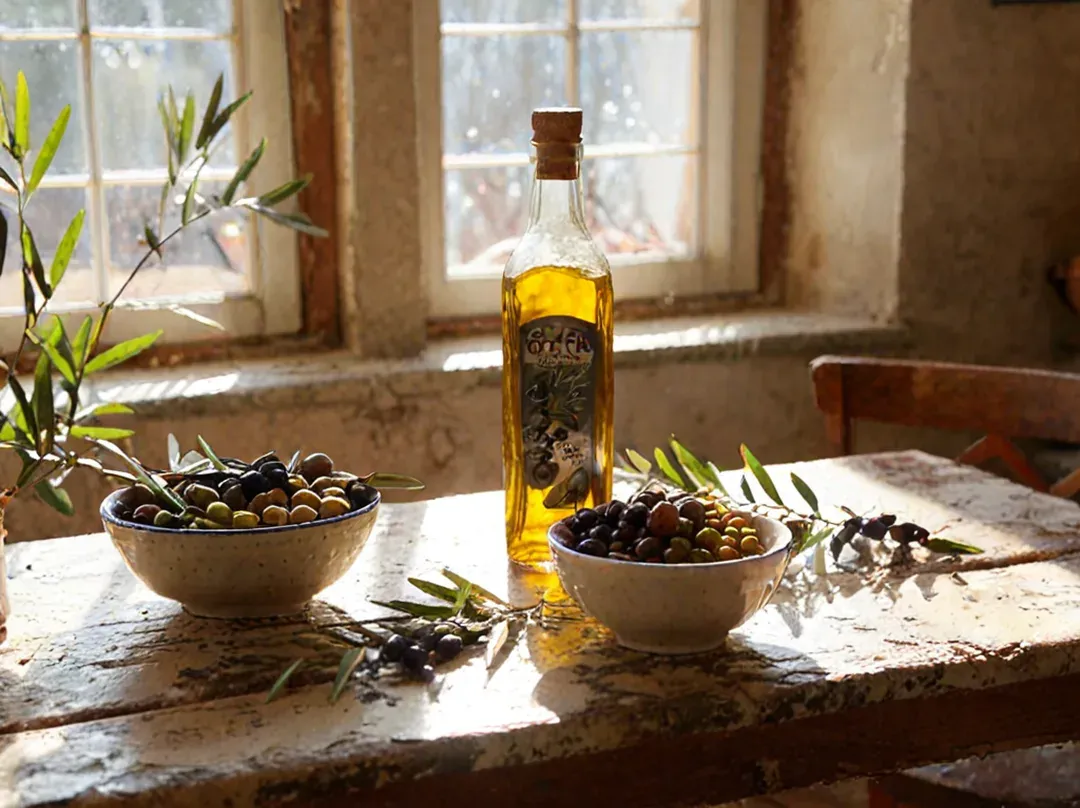
Acidity should not exceed 0.8%, a regulatory threshold that ensures maximum freshness and purity. The flavor profile—fruity and slightly bitter—as well as the color, ranging from golden green to deep green, are indicators of an unrefined oil that is rich in nutrients.
These characteristics, combined with a controlled origin (Spain, Italy, or Greece), determine not only the amount of health benefits but also the type of oil suitable for culinary or therapeutic use. A study published in 2023 in the Journal of Agricultural and Food Chemistry highlights that these oils reduce the risks of stroke thanks to their content of anti-inflammatory compounds, while protecting blood and heart cells.
Prices for olive oil vary significantly depending on the type, origin, and quality level. For extra virgin olive oil, prices typically range between $13 and $27 per liter, with Spanish or Italian brands often positioned at the premium end. Conversely, standard virgin olive oil (without the extra label) ranges between $9 and $16 per liter, particularly for Greek or Tunisian productions.
Organic versions show higher price ranges ($16 to $32 per liter), reflecting stricter agricultural methods and local sourcing. These differences are explained by the amount of quality control, the richness of polyphenols, and the rarity of premium varieties. A Mediterranean cuisine or a diet focused on preventing cardiovascular accidents thus justifies investing in these products, whose therapeutic properties are documented by recent research.
| Oil Type | Average Price (per liter) | Origin |
|---|---|---|
| Extra Virgin Olive Oil | $13 - $27 | Spain, Italy |
| Virgin Olive Oil | $9 - $16 | Greece, Tunisia |
| Organic Oil | $16 - $32 | France/Local |
How to Integrate Olive Oil into Your Diet?
Extra virgin olive oil, rich in antioxidants and anti-inflammatory properties, is suitable for a multitude of uses in cooking and daily life. Whether used to enhance dishes or as a primary ingredient, it integrates easily into a balanced diet.
A frequent question is how to integrate olive oil into your diet: the answer lies in its versatility, whether as a dressing, for cooking, or as a finishing oil. Its unique profile, characterized by compounds like oleocanthal, makes it an ally for enhancing flavors while providing health benefits.
To put these uses into practice, a few concrete examples illustrate its potential. In a vinaigrette, a blend with balsamic vinegar transforms a simple salad into a gourmet dish. In a pan or in the oven, it allows you to cook vegetables and meats while preserving their nutrients thanks to its high smoke point.
A simple gesture like dipping fresh bread in olive oil makes for a quick and tasty appetizer. Finally, adding a few drops as a finishing touch on cooked dishes or pasta enhances aromas without weighing down the texture. These techniques, accessible to everyone, exploit the organoleptic characteristics of extra virgin olive oil for optimal results.
- In a vinaigrette with balsamic vinegar
- For roasting or sautéing vegetables
- As an accompaniment for fresh bread
- As a finishing touch on cooked dishes
FAQ
What is extra virgin olive oil? It is an oil extracted solely through mechanical processes, without the use of chemical solvents.
What is the difference between virgin olive oil and refined olive oil? Virgin oil is natural, while refined oil has undergone chemical treatment to remove defects.
Can extra virgin olive oil go rancid? Yes, exposure to light, heat, and oxygen can alter its taste and quality.
Can extra virgin olive oil be used for high-temperature cooking? Yes, it has a sufficient smoke point for most home cooking needs.
When is the best time to consume olive oil? There is no strict time, but using it raw allows you to preserve all the antioxidants.
What is the recommended daily amount? Moderate consumption of two to three tablespoons per day is often advised.
Sources
- Wikipedia: Cannabidiol – fr.wikipedia.org
- Golden CBD: Guide to CBD Olive Oil
- YouTube: Cannabis Olive Oil Recipe
- Organic CBD Oil: Characteristics and prices of olive oil